My year-end bonus was 66 cents. As I was leaving, the owner suddenly roared, “Who approved this? Find out—now!”
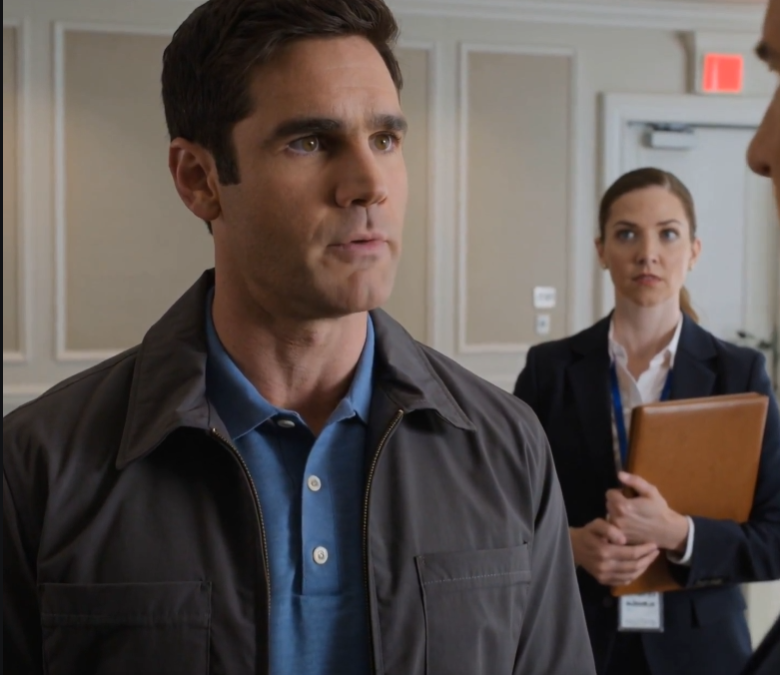
Forty people worked for the company. We sold tile, flooring, drywall, panels, and remodeling supplies to contractors all over central Ohio. Most of us knew one another’s cars, coffee orders, and family emergencies. That made humiliation more efficient. There was nowhere for it to hide.
Richard stepped down from the small stage. He had been talking about the company’s future—another warehouse, maybe a second location, definitely growth if the numbers cooperated. He wore a navy suit that pulled slightly across his shoulders and the expression of a man who had just discovered a leak in his own roof.
“You received a bonus notice for sixty-six cents?” he asked me.
“That’s what it says.”
“Did you request that?”
I almost laughed. “No.”
“Did you do something to earn that kind of bonus?”
The question landed harder than the number.
I looked around the room. Frank Wilson, our warehouse supervisor, was watching from the bar area. Susan Parker from accounting had turned in her chair. Emily Davis, the receptionist, held her phone against her chest. Nobody looked comfortable.
“I thought the bonus was discretionary,” I said. “I didn’t realize it was a performance review in decimal form.”
Richard’s jaw tightened. “This isn’t funny.”
“I agree.”
Tyler hurried over with a folder clutched against his chest.
“I entered what was on the approval sheet. Mr. Harrison wrote ‘nominal bonus.’ I thought—”
“You thought sixty-six cents was appropriate?”
“I thought it meant symbolic.”
Richard looked at him, then at me. His face had gone red around the ears.
“Everybody sit down,” he said. “We’re going to sort this out before anyone leaves.”
That was when I understood the evening was no longer about appreciation. It was about finding someone to blame for a number the owner himself had written down.
I folded the notice once and slipped it into my jacket pocket. The paper was thin. It felt heavier than it should have.
My name is Ethan Miller. At the time, I was thirty-one years old, renting a one-bedroom apartment on the north side of Columbus and driving a ten-year-old Honda Civic that needed new brakes. My mother was recovering from an attack of acute cholecystitis. My checking account had been close to empty for most of the month, and I had just been informed that four years of being dependable were worth less than a cup of gas station coffee.
Richard pointed toward an empty chair.
“Sit down, Ethan.”
I sat. The sixty-six cents stayed in my pocket, and for the first time since I started working at Harrison Building Supply, I stopped wondering how to keep the peace and started wondering what that peace had been costing me.
Chapter 2. Who Approved This?
The party ended forty minutes later, though nobody called it over. People drifted out in small groups, carrying raffle prizes and awkward expressions. The tablet went to Emily. Frank won a company-branded cooler.
Richard kept Tyler, Susan, and me in the hotel conference room while the catering staff cleared plates outside. On the table lay three sheets of paper: the year-end bonus list, my performance review, and a handwritten note in Richard’s blocky lettering.
Nominal bonus.
That was all the note said.
“This was not supposed to be insulting,” Richard said.
“It was sixty-six cents,” I replied.
“I know what it was.”
“Then you know how it looks.”
Tyler swallowed. “I should have asked for a specific amount.”
Richard turned on him. “You should have asked before entering a number that makes this company look ridiculous.”
I watched Tyler’s hands. They were shaking slightly.
“The bonus list didn’t have an amount for Ethan,” he said. “Susan needed a number before payroll closed. You told me to use a nominal amount.”
“I told you to flag it.”
“You said to make it symbolic.”
The room went quiet. Richard’s eyes moved to the paper. For a moment, he looked less like an angry owner and more like a man who had walked into his own trap.
Susan picked up my performance review.
“Regardless of the bonus, we need to discuss the rating.”
My review listed three concerns: attendance, responsiveness during my mother’s hospitalization, and inconsistent availability during peak operational periods.
“My mother was in the hospital,” I said. “Richard approved the leave.”
“I approved three days,” Richard said. “But the warehouse had to cover your work.”
“Frank covered some of it. I made up the rest when I came back.”
“The review reflects the disruption.”
“It reflects that my mother got sick.”
Richard leaned back. “Ethan, no one is saying you can’t have a family emergency, but a small company can’t pretend absences don’t affect operations.”
“Then rate the work I did. Don’t turn approved leave into a character flaw.”
The words came out before I could soften them.
I had spent most of my adult life softening things. Emails, complaints, bills, my own exhaustion. The sentence sat on the table between us, blunt and unfamiliar.
Richard stared at me.
“You’ve been late more than once this year,” he said.
“Yes. During snow and construction. I also stayed late to finish what I missed.”
“Staying late doesn’t erase being late.”
“No, but it should appear somewhere in the review.”
Susan looked down at the papers.
“Does it?”
I turned to her. “What do you mean?”
She tapped the performance form. “This form has a section for project completion and attendance. It doesn’t have a section for after-hours work unless a manager submits it.”
“And did anyone submit mine?”
She didn’t answer.
I thought about the late-night calls from the loading dock, the Saturdays I had spent matching purchase orders to pallets, and the winter morning I had driven across town because a contractor’s flooring shipment was trapped behind a broken garage door.
I had clocked out on many of those days because someone had told me, “We’ll clean up the paperwork later.”
Later was a place where hours went to disappear.
Richard folded his arms. “We’re talking about a discretionary bonus, not wages.”
“I know. I’m saying the review used missing records to judge me.”
“No one is withholding your paycheck.”
“Not yet.”
Tyler looked at me quickly, as if I had said something dangerous. Richard’s face hardened again.
“Are you threatening the company?”
“I’m asking you to look at the records before deciding what I deserve.”
For several seconds, the only sound was the hum of the hotel’s heating system. Finally, Richard pushed back his chair.
“We’ll look at it Monday. Tyler, find out exactly how that number got entered. Susan, review the payroll file. Ethan, go home and cool off.”
I stood. “I was trying to leave before you called me back.”
Richard’s eyes dropped to my pocket.
“Keep the notice.”
“Why?”
“So you remember this was a mistake.”
I almost said that mistakes were usually paid for by the person who made them. Instead, I put on my coat.
Outside, a wet December wind swept across the hotel parking lot. My Civic started on the second try. The dashboard clock read 10:47 p.m.
When I got home, I set the notice on my kitchen table and stared at it while my phone filled with messages from my mother. She wanted to know whether I had eaten.
I told her the party had been fine.
That was the first lie I told about the sixty-six cents.
Chapter 3. A Visit from Frank
Frank showed up at my apartment the next afternoon carrying a paper bag from a neighborhood bar and a six-pack of beer.
“Your mother know you’re drinking?” he asked.
“My mother thinks beer is a food group.”
“Smart woman.”
He set the bag on my counter. Inside were burgers, fries, and two slices of pie in plastic containers.
Frank was in his late fifties, broad through the shoulders, with silver at his temples and the careful walk of someone whose knees had filed several formal complaints. He had driven over in his old Ford pickup after finishing the Saturday warehouse shift.
“You don’t have to come check on me,” I said.
“I wasn’t checking on you. I was checking on the sixty-six cents.”
I pulled the notice from a drawer and placed it on the table. Frank read it twice.
“You could buy a gumball,” he said.
“If gumballs still cost a penny, then you could buy sixty-six percent of a gumball.”
I laughed in spite of myself. That was Frank’s gift. He could make an insult sound like a weather report.
We ate at the small table by the window. Outside, traffic hissed over wet pavement. My apartment had thin walls, one stubborn radiator, and a view of the back of another building. The rent was $1,185 a month, which had seemed manageable when I signed the lease and less manageable every time my car made a new noise.
“Richard wasn’t always this bad,” Frank said.
“That’s not exactly a defense.”
“It isn’t supposed to be.”
He opened a beer and studied the bottle.
“When I needed money for my house, he loaned me ten thousand dollars. No bank would touch me after my divorce. Richard wrote a check. Didn’t charge me interest.”
“Did you pay him back?”
“Most of it. He told me to keep the rest when my daughter got sick.”
I waited.
“That doesn’t mean he gets to short people on wages,” Frank continued. “It means people can be more than one thing at a time. Richard can help you out on Monday and treat you like a replaceable part on Tuesday.”
“He says the company is too small for formal systems.”
“That’s what owners say when formal systems would make them write things down.”
My phone buzzed. It was an email from Susan Parker, asking me to send any records of after-hours work I had done during the last four years.
I looked at Frank. “Accounting is reviewing my time.”
“Good.”
“They said it could take a while.”
“Good things usually do.”
For the next week, I searched through old emails, text messages, calendar entries, and photographs of damaged pallets. Frank found warehouse logs. Emily sent me copies of contractor calls that had come through the front desk. Susan asked for dates, times, and what work I had actually performed.
The process was less dramatic than a courtroom and more exhausting. Every hour had to be reconstructed from fragments: a message sent at 9:18 p.m., a loading dock camera record, a vendor confirmation with my name on it, a Saturday invoice I had approved from home.
Two weeks later, Susan called me into her office. She closed the door.
“I finished the first review,” she said. “And you have missing time. A lot of it.”
She showed me a spreadsheet with columns for dates, work, source records, and estimated hours. Some entries were marked confirmed. Others were marked corroborated by messages or coworkers.
“I can’t recreate every minute,” she said, “but there are enough records to establish a pattern. You worked after clocking out. You worked on several weekends. Some warehouse emergencies were handled without a time entry at all.”
“How much?”
Susan turned the monitor toward me.
The final estimate, including applicable overtime adjustments and payroll corrections, came to approximately $6,300.
I stared at the number. It was more than I had expected and less than the years felt worth.
“We’ll have our attorney review the process,” Susan said. “Then we’ll correct the payroll records and issue the payment.”
“Did Richard approve this?”
“He told me to find out what we owed you.”
That sentence stayed with me.
Not what he thought I deserved.
What we owed.
Later that afternoon, Richard called me to his office. He had the sixty-six-cent notice on his desk.
“Susan says the records were poorly kept,” he said.
“She’s right.”
“I’m fixing it.”
“Good.”
He picked up the notice and turned it over.
“You should keep this.”
“You already said that.”
“I’m saying it again. You need something that reminds you not to let this happen twice.”
I looked at the paper.
“To me or to the company?”
Richard didn’t answer immediately.
“Both,” he said.
The payment arrived six weeks later, after the review and payroll corrections were completed. The check stub identified it as back wages and payroll adjustment, not a bonus. Susan explained the accounting to me line by line.
Richard signed the compliance memo, though he complained that the paperwork was excessive. He still paid it.
That was the first time I saw him change something that cost him money.
Chapter 4. The Photograph
Richard showed me the photograph in February.
He called me into his office near the end of the day and shut the door. Snow had been falling since morning, turning the parking lot into gray ridges. A truck idled beside the loading dock while Frank argued with a driver about a damaged pallet.
Richard opened a file cabinet and removed a manila envelope.
“I should have told you years ago,” he said.
Inside was an old photograph with a white border and a crease down the center. I recognized my father before I recognized the younger man standing beside him.
Thomas Miller was wearing work boots, a tool belt, and a faded sweatshirt. He was younger than I had ever known him, his hair thick and dark, his expression serious even while holding a coffee cup.
The other man had one hand on a stack of tile samples. His hair was brown, his shoulders lean, and his smile was unmistakable.
Richard Harrison.
“Where did you get this?” I asked.
“Your father gave it to me.”
I turned the photograph over. On the back, in my father’s handwriting, were the words:
Columbus, Franklin County, 1998. First job we finished together.
I was six years old in 1998. My father had never mentioned working with Richard.
“He was a tile installer,” Richard said. “A good one. The best I’ve ever worked with. Back then, I was running a tiny supply operation out of a rented warehouse. I sold materials and took small installation contracts whenever I could get them. Your dad knew how to make a bad floor look like a design choice.”
“Why didn’t he tell me?”
“Maybe he thought it was old news. Maybe he didn’t want to talk about the years when the business failed.”
I kept staring at the photograph.
“Did you know him well?”
Richard sat down.
“We worked together on and off for about three years. He could be stubborn. So could I. He left to try running his own renovation business. It didn’t work out.”
My father had spent the last years of his life doing small repair jobs between hospital visits. He died of lung cancer when I was twenty-four.
I remembered invoices, oxygen tanks, and my mother’s careful arithmetic at the kitchen table. I remembered never having enough money and never hearing my father ask anyone for help.
“When he was sick,” Richard said, “I gave him twenty-five hundred dollars.”
I looked up.
“He had insurance, but the deductible and out-of-pocket bills were still a problem. He also couldn’t work. I told him it was a loan. He called it a favor. We argued about the word.”
“Did he pay you back?”
Richard rubbed his thumb along the edge of the photograph.
“No.”
“Did you ask him to?”
“No.”
The room felt smaller.
“Why are you telling me now?”
Richard looked toward the window.
“Because I gave you sixty-six cents after you worked for me for four years. Then I found out I had spent years letting your extra work disappear. I needed to remember what your father was like before I became the kind of man who thinks a number on a spreadsheet explains everything.”
It was not an apology. Not exactly.
Richard was bad at apologies. He treated them like tools that might break if handled carelessly.
“The sixty-six cents wasn’t your idea?” I asked.
“I wrote ‘nominal bonus.'”
“That was still your idea?”
He nodded once.
“Yes.”
The admission mattered more than I expected.
He slid the photograph across the desk.
“Take it for now. I’ll make a copy.”
I held it by the edges. My father had left me no hidden inheritance, no ownership stake, no secret message that would change my life.
He had left behind a face I knew and a face I didn’t, standing together on an unfinished job site in 1998.
That was enough to make the world feel larger.
When I left, Richard called after me.
“Ethan.”
I turned.
“Your father once told me not to be cheap with people who had already given me their best.”
“Sounds like him.”
“I didn’t listen often enough.”
I put the photograph in my wallet behind my driver’s license.
For the first time, the paper with sixty-six cents no longer felt like the whole story.
Chapter 5. The Night the Warehouse Flooded
The warehouse flooded at 2:13 on a Sunday morning in March.
Frank called me first.
“Wake up,” he said. “We’ve got water coming through the east sprinkler line.”
I sat up in my apartment.
“How much?”
“Enough that I’m not walking in until someone confirms the power is safe.”
That was Frank. He could be practical even while the building was trying to become a swimming pool.
I called Richard. He answered on the fourth ring.
“What happened?”
“Sprinkler or supply line failure. Fire department is on the way to check the system. Property maintenance has been called.”
“Get there.”
“I’m going. I’m not going inside until the electrical panels are cleared.”
There was a pause.
“Fine.”
I drove through empty streets under a cold rain. By the time I reached the warehouse, red lights were flashing across the wet pavement. Water streamed beneath the loading doors. A maintenance crew was shutting off a main valve while a fire inspector checked the alarm and electrical systems.
Frank stood under the awning in waterproof boots, gloves, and a reflective jacket.
Richard arrived ten minutes later wearing a coat over his pajamas.
“How bad?” he asked.
“The west aisle is still dry,” Frank said. “The east side has standing water. Drywall, boxed flooring, and some composite panels are taking damage. Tile is mostly on pallets.”
The inspector finished his check and told us which areas were safe to enter. We stayed out of the flooded section until the power was isolated and the maintenance crew confirmed there were no exposed wires.
Then we went to work.
We wore gloves, safety glasses, and rubber boots. We moved unbroken boxes away from the water, covered dry materials with plastic, and marked damaged inventory. Frank directed the warehouse crew. Richard carried boxes until his back forced him to stop.
I photographed every pallet and sent the images to the insurance contact and our operations file. The work lasted until daylight.
At one point, I slipped on a wet patch near the loading bay. Frank grabbed the back of my jacket.
“You want to go home with all your teeth?” he asked.
“That was the plan.”
“Then keep both feet under you.”
Richard heard him.
“Write down every hour,” he said.
I looked at him.
“For everybody,” he added. “Clock in, clock out, breaks, travel time if it applies. No one is working for free because a pipe failed.”
It was a simple sentence.
A year earlier, it would have sounded impossible.
At 9:00 a.m., Susan arrived with coffee and a clipboard. She recorded the emergency work separately from the ordinary schedule. Richard approved the timesheets before noon. He also added an emergency call-in payment for the people who had been summoned outside their regular shifts.
The payroll correction cost far less than the warehouse damage, but Richard treated the labor records as if they mattered just as much.
The final inventory loss came to a little over $22,000. Most of it was water-damaged drywall, wood packaging, composite flooring, and panels. The tile could be inspected and salvaged.
We filed the insurance claim, documented the cleanup, and spent the next week reorganizing the east aisle.
On Monday afternoon, Richard called a meeting. He stood in the break room with a coffee in one hand and a stack of timesheets in the other.
“We had an emergency,” he said. “The building failed. The system failed. The records almost failed, too. That part is on us.”
Nobody spoke.
“Starting now, actual hours get recorded. If you work after hours, you record them. If a manager tells you to clock out and keep working, report it to Susan or me. Bonuses are separate from wages. Nobody gets to use a bad performance review as an excuse not to pay earned time.”
His eyes moved around the room and stopped on me for half a second.
“We are still a small company,” he continued. “But small doesn’t mean careless.”
After the meeting, Frank leaned against the vending machine.
“Did hell freeze over?” he asked.
“Probably. That’s why the warehouse pipes burst.”
He smiled.
Richard walked past us carrying a box of damaged paperwork. His face was tired, his clothes stained, and his temper no better than usual.
But he had written down the hours.
Sometimes change entered a company without a speech. Sometimes it came in wet boots under a broken sprinkler line, after everyone finally admitted the floor was unsafe.
Chapter 6. Changing the Rules
The new performance system arrived in a blue folder with the company’s name printed across the front.
Richard called it a reset. Susan called it a correction. Tyler called it the first document anyone had written that explained what the company expected.
The new review included attendance, project completion, customer feedback, safety compliance, inventory accuracy, documented extra responsibilities, and peer input.
Unavoidable losses, like a faulty sprinkler system or a delayed shipment caused by a supplier, could not automatically be assigned to one employee’s score.
The timekeeping section was the biggest change.
Hourly employees clocked in and out through a new system. Managers had to approve edits. Employees could report missed time directly to accounting. Susan created a shared email address for payroll questions, which felt almost revolutionary in a company where most problems had previously been solved by walking to Richard’s office and hoping he was in a decent mood.
“This is too many boxes,” Richard complained during the rollout meeting.
“It’s six boxes,” Susan said.
“It was one box before.”
“That box said ‘overall performance’ and could mean anything.”
Richard looked at me.
“You happy now?”
“I won’t know until the first review.”
Frank chuckled from the back of the room.
Richard pointed at him. “You stay out of it.”
“I’ve stayed out of most things for twenty-two years. That’s why I’m still here.”
The rules did not turn Harrison Building Supply into a perfect workplace.
Richard still called people into his office without enough warning. He still disliked paying rush fees, overtime, and consultants. He still had a habit of saying, “When I started this business, nobody needed a form to do a job.”
But the forms existed now.
He also made mistakes with the new system. During the first month, he forgot to approve several timesheet edits and then complained that payroll was late. Susan made him sit beside her while she explained the workflow.
“You don’t have to enjoy the process,” she told him. “You do have to follow it.”
Richard grumbled, but he stayed until the corrections were done.
My own work changed in small ways.
When a contractor called after hours, I recorded the time. When Richard asked me to review a vendor shipment on a Saturday, I put it in the system before I opened the file.
I no longer treated documentation as an insult to my loyalty.
Loyalty without records had made me invisible.
One afternoon, Richard handed me a vendor budget and asked me to compare three suppliers. That task led to another, and then another.
I began tracking costs, contract terms, lead times, and damage rates. I learned which suppliers padded their freight charges and which ones quietly replaced damaged material instead of arguing over every claim.
The work was more interesting than the job description I had been hired under. It also made me harder to dismiss.
Richard noticed.
He never praised me directly if he could avoid it. Instead, he started asking, “What do you think?” before he made purchasing decisions.
That was his version of trust.
At home, my mother improved enough to return to her normal routines, though I still drove her to follow-up appointments.
She kept asking whether the company had paid me.
“They corrected the records,” I told her.
“That isn’t what I asked.”
“Yes, they paid me.”
She nodded and went back to trimming green beans.
My mother had never worked in an office, but she understood accounting better than most managers. She knew the difference between kindness and a debt, between a gift and money someone owed you.
“Don’t let them make you grateful for your own paycheck,” she said.
I wrote that down in my phone.
Chapter 7. Why Tyler Walked Away
Tyler resigned in May.
He told Richard in the small conference room beside the front office. Emily heard the first sentence because the walls were thin, then pretended not to hear the rest.
Tyler came out twenty minutes later carrying a cardboard box with a desk plant, two framed certificates, and a coffee mug that said Ask HR.
“You okay?” I asked.
“No,” he said. “But I’m employed through Friday, so technically I’m okay.”
He had found a position with a regional HVAC supplier. The salary was $7,200 higher, the benefits were better, and the HR manager had interviewed him without once asking about the sixty-six-cent bonus.
“Richard keeps bringing it up,” Tyler said. “Every time payroll has a question, every time somebody makes an entry he doesn’t like, he says, ‘Don’t turn this into another Ethan situation.'”
“That’s not your fault.”
“I know. But knowing doesn’t make it pleasant.”
He sat on the edge of the reception desk.
“I should have asked what ‘nominal’ meant. I should have stopped payroll and gotten a signed amount. I made a bad call.”
“You made a bad call because the person above you gave an unclear instruction. Both things can be true.”
Tyler looked at me.
“You really believe that?”
“I believe you entered the number. I also believe Richard gave you a number-shaped fog and expected you to find your way through it.”
That made him laugh, though his eyes stayed tired.
Richard did not stop Tyler from leaving. He offered him a small raise, then withdrew it when Tyler asked for a written job description and clearer authority over payroll processes.
“I don’t need another person telling me how to run my company,” Richard said.
Tyler answered quietly.
“That’s why you need one.”
They parted without shouting. In its own way, that was more painful than shouting.
On Tyler’s last day, we had lunch at a diner near the warehouse. Frank ordered meatloaf. Susan brought her own salad. Tyler kept checking his phone for messages from the new company.
“You know what the strangest part is?” he said. “I came here thinking I would learn how a business works. I learned how much damage one vague sentence can do.”
“That’s a useful lesson,” Frank said.
“I’d rather have learned it in a training class.”
When we returned, Richard was waiting near the loading dock. He held out a folder.
“Your final paperwork,” he told Tyler. “And a letter confirming your employment dates.”
Tyler accepted it.
Richard’s expression shifted.
“You did good work here.”
Tyler blinked.
“Not all of it,” Richard added quickly. “But enough.”
“Thank you.”
“Don’t put sixty-six cents on anyone’s payroll file again.”
Tyler smiled despite himself.
“I won’t.”
Then he left.
I watched his car pull onto the street. He looked relieved and frightened, which seemed like the correct emotional response to changing jobs in America.
That night, he texted me from his new apartment. His first day was the following Monday.
I replied, “Good luck. Ask for everything in writing.”
He sent back a thumbs-up and a picture of his new coffee mug.
It said Please Hold for HR.
Chapter 8. One Year Later
The next year, my bonus statement said $5,000.
I read it twice before looking at the rest of the review.
My job title had changed to operations supervisor. I was still hourly and still subject to the company’s timekeeping and overtime policies, but I had a defined team, a clear range of responsibilities, and authority over vendor coordination and inventory planning.
The raise was not life-changing, but it covered my rent, car insurance, and the growing cost of groceries without forcing me to choose which bill could wait.
Richard handed me the bonus notice in his office.
“You earned it,” he said.
“Is that a formal statement?”
“Don’t get greedy.”
I smiled.
“I’m trying to build a record.”
He almost smiled back.
The company had finally opened a second sales counter inside the warehouse, though Richard’s promised second location remained a future project.
He had mentioned it at the holiday dinner, the spring meeting, and a contractor breakfast in July.
“Maybe next year,” he always said.
I had stopped believing in the location and started believing in the possibility. The difference was healthier.
My mother had another medical appointment that spring. I used PTO and two days of approved personal leave. Susan confirmed everything in writing.
Richard did not lower my performance score. He did not ask who was covering my work until after he had approved the leave.
Frank covered the warehouse schedule with help from a younger employee named Marcus.
When I returned, he handed me a stack of inventory reports.
“Your mother doing better?” he asked.
“Yes.”
“Good. The warehouse survived without you.”
“I noticed.”
“Don’t sound disappointed.”
I wasn’t.
It was a strange relief to learn that being needed did not mean being irreplaceable.
By autumn, I had saved enough to move into a larger apartment with better windows and a parking space that did not require me to fight a neighbor for the last spot.
It was still in Columbus, still ordinary, and still came with a rent increase that made me sit down before signing the lease.
But I could afford it.
On moving day, I found the old sixty-six-cent notice in a drawer beneath a roll of tape. The corners were bent. The ink had faded slightly.
I put it in a folder with my father’s photograph.
I didn’t know why.
Maybe because both pieces of paper marked a time when I had been seen incorrectly. One showed the number my employer had assigned to my work. The other showed the man my father had been before illness and disappointment narrowed his world.
Neither document explained my life. Both reminded me that there was more to it than the first version anyone handed me.
At the holiday party that year, Richard did not make a speech about going public or becoming a national company.
He talked about staying profitable, keeping people safe, and not losing track of which warehouse door was supposed to be locked.
It was his best speech yet.
Chapter 9. The Reminder
Frank began talking about leaving the warehouse the following spring.
He did not announce it. He mentioned it while we were eating sandwiches behind the loading dock.
“My knees are negotiating their exit,” he said.
“What are they asking for?”
“A chair, a garden, a job where nobody expects me to move a pallet before breakfast.”
Frank had spent more than twenty years around building materials. His back hurt when the weather changed, and his shoulder had started bothering him after a fall on a loading ramp.
The company had added lifting equipment and changed the safety rules, but time had already collected its interest.
“My nephew wants me to help at his renovation business,” he said. “Scheduling, ordering, maybe estimates. Less lifting.”
“You’d be good at that.”
“I know. That’s why I’m suspicious.”
He took a bite of his sandwich.
“Richard thinks I can stay five more years.”
“What do you think?”
“I think Richard thinks every employee has five more years available on request.”
We laughed.
That summer, I helped Frank move a few boxes out of his garage. He had kept old work boots, broken barcode scanners, and a stack of company newsletters dating back to the early 2000s.
At the bottom of a drawer, he found a handwritten note from Richard promising the $10,000 home loan.
“He wrote this like he was lending me twenty dollars,” Frank said.
“You still have it?”
“My wife made me keep every financial document. She trusted paperwork more than people.”
“Your wife was right.”
“Don’t tell her. She’ll become impossible.”
Frank glanced at the old note.
“Richard helped me. He also paid me less than he should have for years. Both facts stayed true.”
That sentence became something I thought about often.
After the sixty-six-cent incident, I had wanted a clean answer. I wanted Richard to be either a cruel boss or a decent man who had made one unfortunate mistake.
Real life refused to cooperate.
Richard had underpaid people. He had relied on vague instructions and personal judgment. He had made workers feel guilty for taking time off and treated documentation as distrust.
He had also helped Frank buy a home when a bank refused him. He had helped my father pay medical bills when Thomas could not work. He had paid my missing wages after Susan found the records.
He was becoming better, but not because the past had been secretly good.
The past was still the past.
It just wasn’t the entire person.
One evening, I took the folder from my desk and looked at the two items inside. My father’s photograph had a white border. The sixty-six-cent notice had a company logo in the corner.
I remembered Richard saying, “Keep this.”
At first, I thought he meant keep the paper so I could prove what happened. Later, I understood he might have meant keep the memory of the mistake close enough that it could not be repeated without being recognized.
I still didn’t like the number.
I wasn’t supposed to.
The point of a reminder was not to turn pain into something pretty. It was to keep pain from becoming invisible.
Chapter 10. Life Goes On
I left Harrison Building Supply after seven years.
The decision took six months and several conversations with Rachel Collins, who was then working for an architectural and interior design firm in Dublin, Ohio.
We had met when her firm placed an order for tile and custom flooring. She hated vendor meetings, and I hated people who called every shipment a crisis, so we got along immediately.
By the time we were dating, she knew the story of the sixty-six cents.
“You kept the paper?” she asked one night.
“It’s evidence that office supplies can be emotionally significant.”
She rolled her eyes, then asked me to show it to her.
The company I was considering was larger than Harrison Building Supply but still regional. It had multiple distribution centers, a real purchasing department, and a manager who wanted someone with experience in inventory, vendor relations, and warehouse operations.
The job was procurement supervisor. The salary was higher, the benefits were steadier, and the position offered a path toward purchasing manager.
I worried that leaving meant I was ungrateful.
Rachel said, “You can appreciate what someone taught you and still decide not to work for them forever.”
She was right.
When I told Richard, he listened with his hands folded over his stomach.
“You think they can give you more?” he asked.
“I think the job is a better fit for what I’ve learned.”
“You learned a lot here.”
“I did.”
“Then why leave?”
“Because I want to learn something else.”
He looked annoyed, then tired, then neither.
“You can come back,” he said.
“I know that’s not an invitation.”
“I know that, too.”
For the first time, he laughed.
My last day was a Friday in October.
Susan brought a cake from a grocery store. Emily gave me a card with forty signatures, including three from people I had never met.
Frank shook my hand in the loading bay.
“Don’t become a suit,” he said.
“I own one suit.”
“Then don’t buy another.”
Tyler sent a message from his new company. He had been promoted to HR generalist and had recently gotten engaged.
The picture showed him and his fiancée standing in front of a lake, both squinting in the sun.
He wrote, “You got out, too. Maybe we’re finally learning.”
My new job was harder in different ways.
I had to negotiate contracts instead of only comparing them. I learned formal purchasing software, supplier scorecards, and budget forecasting.
The first few months were uncomfortable. I made mistakes that could not be fixed by walking ten steps to Richard’s office.
But I had experience.
I knew how to ask questions. I knew how to document decisions. I knew that a vague instruction could become an expensive problem if nobody clarified it.
Rachel and I married two years later in a small ceremony outside Columbus.
There was no extravagant reception, just family, friends, and a dinner at a restaurant where the staff kept refilling my mother’s iced tea.
During the vows, I saw my father’s photograph in the small album I had brought from home. The sixty-six-cent notice was behind it.
I did not show either item to anyone.
Some memories were not props.
They were anchors.
Richard attended the wedding with a gift and an awkward hug. Frank came in a clean shirt that still looked like it belonged in a warehouse.
Tyler arrived with his fiancée and spent most of dinner discussing benefits enrollment.
It was the first time all of us had sat together without a payroll question in the middle of the table.
For one evening, that was enough.
Chapter 11. Another Photograph
The second photograph arrived in a plain envelope with no return address.
I was at work when Rachel texted me a picture of it. The image was grainy and slightly crooked. It showed my father standing beside a half-built commercial building, holding a notched trowel. Richard stood next to him in a baseball cap, one hand resting on a stack of tile boxes.
My phone rang before I could reply.
“It’s from Richard,” Rachel said. “He wants you to call him.”
I called during my lunch break.
“Where did you find that?” I asked.
“In an old storage box. Your father wrote the date on the back. 1998, a few months earlier than the other one.”
I studied the photograph on my phone. The building behind them had steel framing and stacks of material along the edge. My father looked exhausted but confident. Richard looked like a man who had not yet learned how often a business owner had to apologize.
“Why send it now?” I asked.
“Because I found something else.”
“What?”
“A notebook. I haven’t read all of it. I thought you should see the picture first.”
I drove to Columbus that weekend.
Richard had moved out of the original office and into a smaller room above the sales counter. The company had grown enough to need professional management, but not enough to become anything Richard would have described as corporate.
Tyler was there when I arrived. He wore a gray blazer and carried a laptop bag. For a moment, I thought I had walked into the wrong building.
“What are you doing here?” I asked.
“Consulting,” he said. “Part-time.”
He explained that his employer had gone through a restructuring. His position remained, but the commute had become difficult after he and his wife had their second child.
Richard had offered him a limited HR and administration project: update the employee handbook, train managers on the timekeeping system, and build a more reliable onboarding process.
“You came back?” I asked.
“I came back for a contract. There’s a difference.”
“Good.”
“I learned that from you.”
Richard called us upstairs.
He looked older than I remembered, though the change was not dramatic. His hair had gone mostly gray. His shirts were looser. He still kept a jar of hard candy on his desk, but now there was a blood pressure monitor beside it.
“You both look like you’re waiting to catch me doing something,” he said.
“Old habits,” Tyler replied.
Richard gave him a look.
“Still too quick.”
“Still accurate.”
Richard pushed the photograph toward me. Then he placed a black notebook beside it.
“Your father kept records for the job we worked on,” he said. “Materials, deliveries, installation notes. I kept the notebook after the project. I don’t know why.”
I opened it carefully.
The pages were filled with measurements and short comments in my father’s handwriting. Some were technical. Others were reminders.
Check the substrate. Call the inspector. Don’t rush the grout.
On one page, Thomas had written:
Richard needs three more days, but he won’t ask. Find a way to keep the crew moving without cutting corners.
I looked up.
“What happened?”
Richard sat down.
“We were behind on a commercial project. If we missed the deadline, I would have lost the contract and probably the business. Your father reorganized the installation schedule, found another crew, and convinced the general contractor to accept a revised sequence. He saved me from breaching the agreement.”
“Did you pay him?”
“I paid him for the work. I didn’t pay him for what the work saved me.”
Tyler stood near the window, silent for once.
Richard ran a finger over the notebook’s spine.
“Your father tried running his own business afterward. It failed. He hated asking for help. When the cancer came back, he told me he had it handled. He didn’t.”
“My mother said he was proud.”
“He was too proud sometimes.”
I closed the notebook.
The story did not make my father a secret hero. He had not built Richard’s company or owned part of it. He had been a skilled tradesman who did good work for a man who was not always easy to work with.
That felt more real than a legend.
Before I left, Richard gave me the second photograph.
“Keep it with the other one,” he said.
“I already have the first.”
“I know.”
Outside, the autumn wind moved through the parking lot. Tyler walked beside me.
“How are you doing?” he asked.
“I don’t know yet.”
“That’s fair.”
“You really came back to fix their paperwork?”
“Somebody has to make sure the next person doesn’t get paid sixty-six cents because an owner used an adjective instead of a number.”
I laughed. The sound surprised me.
The old wound had not disappeared. It had simply stopped being the only thing in the room.
Chapter 12. An Old Debt
I visited Richard two weeks later at his house in a quiet suburb north of Columbus.
He had invited me for coffee, but his wife was away visiting their daughter, so we sat at a kitchen table covered with mail, pill bottles, and a bowl of apples.
“You look more successful,” he said.
“I own a second suit.”
“That’s not success. That’s evidence of poor judgment.”
He poured coffee from a machine that made a series of complicated noises before producing something dark.
“Tyler says you’re doing well,” he said.
“Tyler says a lot of things.”
“He says you negotiate harder than I ever did.”
“That’s because I have better spreadsheets.”
Richard nodded toward my coat pocket.
“Did you bring the photographs?”
“No.”
“Why not?”
“Because I didn’t want this conversation to become about objects.”
He considered that.
“Your father would have said the same thing.”
For a while, we listened to the refrigerator cycle on and off.
“The twenty-five hundred dollars,” I said. “Was it a loan or a gift?”
“It started as a loan because your father wouldn’t accept a gift. I told him he could pay me back when he returned to work. He never did. I never asked why.”
Richard looked at his coffee.
“Because I owed him more than that.”
He explained the project in 1998.
Harrison Building Supply had not yet become a full wholesale operation. Richard had signed a supply and installation contract that was larger than anything he had handled before.
A shipment was late. The general contractor was threatening penalties. Two crews were arguing over access to the site.
Richard was trying to solve all of it at once and making each problem worse.
Thomas had looked at the plans, reorganized the schedule, and told Richard which promises he could keep and which he needed to renegotiate.
“He didn’t flatter me,” Richard said. “He told me I was about to lose everything because I was too embarrassed to admit I needed help.”
“That sounds like him.”
“He was right. He usually was when it mattered.”
Richard said Thomas found a subcontractor who could handle part of the installation, persuaded the general contractor to accept a phased delivery, and worked through a weekend to keep the project moving.
Richard made enough money to pay his bills and reinvest in inventory.
“That was the first time I realized I could build a real company,” he said. “I also realized that a person can save your business and still be the person you pay last when you get scared.”
“Did you pay him last?”
“I paid him what we agreed. I didn’t pay him what I later understood he was worth.”
I let the answer sit.
“When you gave me sixty-six cents,” I said, “did you think of him?”
Richard closed his eyes for a moment.
“No. That’s the honest answer. I thought about numbers, margins, and the fact that I didn’t want to give a large bonus to someone whose performance rating was low. I didn’t think about the person attached to the number.”
“And now?”
“Now I think about the person first. Not always in time, but more often.”
He opened a drawer and removed a small envelope.
Inside was a photocopy of the original payroll notice.
“Why did you keep a copy?” I asked.
“Susan told me to keep a record.”
“That sounds like Susan.”
“She also told me I should apologize properly.”
I looked at him.
Richard shifted in his chair. He looked uncomfortable enough that I almost felt sorry for him.
“I was wrong,” he said. “About the bonus, about your review, about the way I handled the records. I was wrong to make your mother’s leave part of a punishment. I was wrong to tell Tyler to make an unclear instruction work. And I was wrong to assume people would speak up if I made the workplace unfair.”
There it was.
Not a grand speech. Not a confession in front of the whole company. Just an old man at a kitchen table saying the sentences he should have said years earlier.
“Thank you,” I said.
He nodded.
“I don’t expect you to forget it.”
“I won’t.”
“Good. Forgetting is how people repeat things.”
I left with no money, no promise, and no new position waiting for me.
I left with a clearer understanding of the debt between Richard and my father.
Richard had once believed he owed Thomas $2,500. The truth was that he had owed him respect, and money could never settle that account by itself.
Chapter 13. Frank’s Retirement
Frank left the warehouse the next year.
He did not retire immediately. He joined his nephew’s small renovation business, Wilson Home Repair, and spent three years scheduling crews, ordering materials, and complaining about contractors who could not read a delivery window.
“You used to complain about that at Harrison’s,” I told him.
“At Harrison’s, I had seniority. Here I have family. Family is harder to fire.”
His nephew’s business stayed small.
They renovated kitchens, repaired flooring, installed tile, and occasionally took on jobs that were too ambitious for the number of people available.
Frank loved it because he could use everything he knew without carrying everything himself. He also developed a new habit of leaving work before dark.
“How does it feel?” I asked when I visited him one Saturday.
“Suspicious.”
He was sitting on his back porch with a glass of iced tea. Behind him, tomato plants grew in wooden beds. A fishing rod leaned against the fence.
“Richard called,” Frank said.
“What did he want?”
“To ask whether I’d come back as a consultant.”
“Did you?”
“I told him my rate was unreasonable.”
“What did he say?”
“That I had learned from him.”
We laughed.
Frank’s knees eventually made the decision permanent. He retired at sixty-four, sold the old pickup, and bought a used fishing boat with a motor that worked most of the time.
The night before the sale, he invited me and a few former coworkers to a casual restaurant near the river.
Nobody drove after drinking.
Frank’s daughter picked us up in two cars and took the keys from him before the appetizers arrived.
“You see,” Frank said, “I raised responsible children.”
“You raised children who don’t trust you with keys.”
“Same thing.”
We talked about the warehouse, the flooding, the second sales counter, and all the employees who had joined after Frank left.
Someone asked whether he missed Richard.
Frank took a sip of soda.
“Sometimes,” he said. “I don’t miss the low wages. I don’t miss being told that family atmosphere was a substitute for a raise. But he helped me when I was in trouble. He helped Thomas. He eventually paid Ethan what he owed.”
“You still think he was a good boss?” someone asked.
Frank considered the question.
“I think he was a boss who did good things and bad things. The good things don’t erase the bad ones. The bad ones don’t erase the good ones. If you need people to be simple, you’ll be disappointed by everybody.”
That was Frank’s final opinion on Richard, and probably the fairest one.
Later, after the restaurant, we stood in his backyard under a clear sky. His daughter waited beside the car.
“You ever think about that sixty-six cents?” Frank asked.
“Every now and then.”
“What did it teach you?”
I thought about the paper in my album, the $6,300 payroll correction, my father’s photographs, and the job I had eventually built for myself.
“That a number can hurt people when nobody takes responsibility for what it means.”
Frank nodded.
“Good answer.”
“What did it teach you?”
“That I should have retired five years earlier.”
He climbed into his daughter’s car without assistance, though he complained about the seat height.
The next spring, he sent me a picture of his garden. It was full of tomatoes, peppers, and weeds.
He wrote, “The weeds are winning.”
I replied, “Document the hours.”
He sent back three laughing emojis.
Chapter 14. One Last Visit
Richard retired from daily operations the winter after Frank retired.
He did not close the company. He hired a professional general manager and moved into an advisory role.
Harrison Building Supply still had the warehouse, the sales counter, and a staff of roughly forty people. The company was not famous, but contractors knew its phone number, and its deliveries usually arrived when promised.
That was enough to count as a success.
Richard sold his house and moved to a smaller place with a fenced backyard. He got a dog that barked whenever a delivery truck passed and started growing peppers in raised beds.
He complained about retirement almost as much as he had complained about paperwork.
“I thought I would enjoy having nothing to do,” he told me during my last visit. “It turns out I don’t enjoy having nothing to do.”
“You can volunteer.”
“I already did my part for society. I hired people.”
“That’s one interpretation.”
The company had stopped holding the large hotel dinner.
Instead, the new general manager arranged a smaller December gathering at a restaurant. Employees received electronic bonus statements through payroll and a gift card at the table.
There were no speeches about destiny, no dramatic raffle, and no one was required to applaud for twelve minutes.
Richard attended as a guest.
He found me near the window after dinner.
“You look busy,” he said.
“I’m married.”
“That’s not what I meant.”
“It’s both.”
Rachel was talking with Susan and Tyler across the room.
Tyler had become the company’s HR and administration director after completing his consulting work. He had negotiated the role carefully, with written authority, a salary review schedule, and the right to tell Richard no when Richard came in with one of his old-fashioned ideas.
Tyler was married now and had two children.
He still kept his first coffee mug from the HVAC company, though he had replaced the lettering with a cleaner one.
Ask HR First.
The new system was not perfect, but people understood who approved time, who handled payroll, and where to go when something went wrong.
Richard watched Tyler speaking with his supervisor.
“He’s good,” he said.
“He always was.”
“He made a serious mistake.”
“So did you.”
Richard looked at me sharply.
Then he nodded.
Outside, snow had begun to fall. The parking lot lights made the flakes look almost blue.
“Do you still have the notice?” he asked.
“Yes.”
“The sixty-six cents.”
“I never received a coin. It was a payroll statement.”
“I know. I meant the paper.”
“Yes.”
He rubbed his hands together.
“Your father hated being cheap.”
“You told me.”
“He said it during that first project. I tried to save money on grout and ordered the wrong product. He made me return it in a snowstorm.”
“That sounds expensive.”
“It was cheaper than fixing the floor later. He said, ‘Don’t be cheap where quality matters.'”
Richard looked at the snow.
“I kept remembering the sentence incorrectly,” he said. “I thought it meant materials. It also meant people.”
I did not tell him that I had known this for years.
Some lessons reached their destination late.
“Are you happy?” he asked.
It was a strange question from him.
“Most days,” I said. “Some days I just know what I’m doing.”
“That’s close enough.”
Rachel waved from the doorway.
Richard nodded toward her.
“Don’t keep her waiting.”
“Good advice.”
“I have some. I just don’t always use it.”
We shook hands.
Then, after a pause, he hugged me.
It was brief and awkward, like an unfamiliar workplace procedure.
“Take care of your mother,” he said.
“I do.”
“Take care of yourself, too.”
That was harder to answer.
So I said, “I’m learning.”
Chapter 15. What Sixty-Six Cents Taught Me
Years later, I still had the paper.
It lived in a small photo album in the top drawer of my desk, between two photographs of my father working with a younger Richard Harrison on a Columbus construction site in 1998.
The sixty-six-cent statement was not valuable. It could not buy anything. It was not a code, a promise, or a piece of hidden inheritance.
It was the record of a mistake preserved because forgetting would have made the story too easy.
By then, I was a purchasing manager for a regional building materials company.
I supervised a small team, negotiated supplier agreements, and spent more time in meetings than on loading docks.
My salary was steadier. My apartment had become a house with a small backyard.
Rachel worked in commercial interior design, and on weekends, we argued about whether the kitchen needed new shelves.
My mother lived close enough to come for Sunday dinner. She still believed vegetables fixed most problems and that every employer would take advantage of you if you let them.
She was usually right about both.
Frank retired beside a lake. He sent pictures of fish, tomatoes, and his grandchildren. He complained that retirement made his back hurt in new places, but he sounded content.
Tyler became a respected HR and administration director. He kept improving the company handbook and training new managers.
He once told me that the first rule he taught them was simple.
“If an employee works the time, record the time. If a manager promises something, write it down.”
Richard rarely came into the office anymore.
The professional manager handled daily operations. Richard reviewed financial reports, visited the warehouse once a week, and occasionally called me to complain about freight costs.
Even though I no longer worked for him, I listened when I had time.
The company never became a national giant.
It opened another warehouse, survived a recession, lost a major contractor, and rebuilt its customer base.
Richard’s dream of expansion became smaller and more practical. He stopped talking about what the company might become and started talking about whether the people running it could sleep at night.
That was progress.
When I look back at the night of the hotel party, I remember the paper in my hand and the room going quiet after Richard asked who approved it.
I remember wanting to leave before anyone saw how much the number hurt. I remember the embarrassment, the anger, and the fear that speaking up would cost me my job.
Speaking up did not transform me into a fearless person.
I still dislike conflict. I still rewrite difficult emails three times before sending them. I still feel a knot in my stomach when a manager says, “We need to talk.”
But I no longer confuse being easy to work with being easy to exploit.
That distinction took time.
It took a young administrator’s bad judgment, an owner’s vague instruction, an accounting manager willing to search through years of records, a warehouse supervisor who brought beer to my apartment, and two photographs of a father I never knew as a young man.
It took $6,300 in corrected wages, though the money alone could not repair what had been dismissed.
It took a flooded warehouse at two in the morning, where a broken pipe forced everyone to decide whether safety and accurate records were worth the trouble.
It took Richard admitting that helping someone once did not give him permission to treat them unfairly later.
And it took leaving.
Leaving Harrison Building Supply was not revenge.
Richard did not fall apart without me. I did not become a celebrity in the building materials industry.
I simply moved to a job that fit the experience I had earned.
Gratitude and independence turned out not to be opposites.
Neither were forgiveness and memory.
I eventually forgave Richard, not because the sixty-six cents became acceptable, and not because the old photographs erased the years when he had managed people carelessly.
I forgave him because he changed in the only way that mattered.
He paid what was owed, put the rules in writing, accepted help, and allowed other people to manage the company without treating that as a personal insult.
He became a better owner after I stopped needing him to be one.
On certain winter evenings, when snow presses against the windows and the house is quiet, I take the album from the drawer.
My father’s face is first, young, tired, and sturdy.
Richard stands beside him. Not yet the owner he would become. Not yet the man who would place sixty-six cents on a payroll notice.
Then I see the paper.
Sixty-six cents.
It is still a ridiculous number. It still makes my chest tighten for half a second.
But it no longer tells me what I was worth.
It tells me what happened when a company forgot that every number belonged to a person.
It tells me that records matter, that apologies have to be followed by changes, and that people can be complicated without being excused.
Most of all, it reminds me that my value was never something Richard could place in a box on a review form.
Not sixty-six cents.
Not $5,000.








