After I was fired, I sold breakfast tacos; then the chairman’s daughter found me…
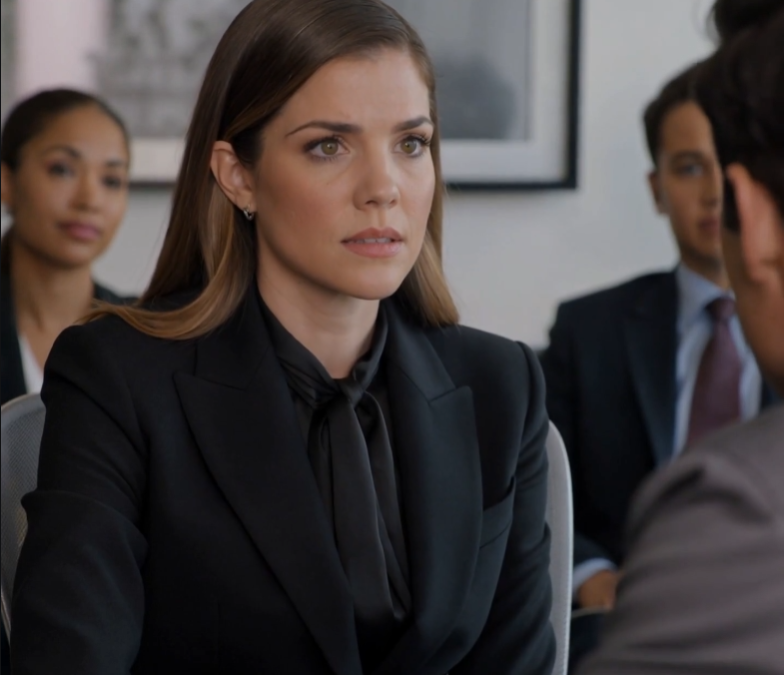
After I got fired, I sold breakfast tacos. The chairman’s daughter came every day. A month later, she said, “My dad wants to see you.”
CHAPTER 1
The morning Hawthorne Industrial Group fired me, the HR director spoke in the same tone people used to explain a delayed flight.
“Ethan, this isn’t performance-related. Your role is being eliminated as part of the commercial reorganization.”
She slid a folder across the conference table. Twelve weeks of severance. Health coverage through the end of the month. A release of claims. A paragraph reminding me that Texas was an at-will employment state and that nothing in the package changed the company’s right to end my employment.
I read every page. Then I signed.
I was thirty-five years old.
For eleven years, I had built my career inside Hawthorne, a Houston-based industrial equipment company with plants in five states and customers across North America. I had started as a territory rep with a used company laptop and a list of dead accounts. By the time they walked me out, I was Director of Southwest Enterprise Sales, managing thirty-two people and roughly $180 million in annual bookings.
My base salary was $152,000. With bonus, I had cleared just over $210,000 the year before.
None of that mattered once the new CEO decided I belonged to the old regime.
Her name was Caroline Vance. She was thirty-two, sharp, polished, and recently returned from three years in private equity operations. More importantly, she was the founder’s oldest daughter.
Her father, Richard Vance, had built Hawthorne from one machine shop outside Beaumont into a multibillion-dollar industrial group. He had stepped back from daily operations after a heart procedure and convinced the board to name Caroline CEO.
Her first major initiative was called One Hawthorne.
The name sounded harmless.
The policy behind it was not.
For decades, our enterprise reps had owned their customer relationships. If you spent eight years learning a refinery’s capital plan, earning the plant manager’s trust, and knowing which maintenance chief would answer at midnight, that relationship stayed with your team.
Caroline wanted every account centralized.
All leads would be scored by software. Major customers would be reassigned quarterly based on capacity utilization. Pricing authority would move to headquarters. Regional managers would lose most discretion.
In a consumer business, maybe it would have worked.
In heavy industry, where a $40 million equipment package could take eighteen months to close and one bad service call could poison a relationship for years, it was dangerous.
I said so in a leadership meeting.
I did not pound the table. I did not embarrass her. I put three slides on the screen showing our retention data and two examples where relationship continuity had saved troubled accounts.
Caroline listened without interrupting.
Then she said, “Thank you, Ethan. We’ll take that under consideration.”
Within six weeks, two of my largest accounts were transferred to a centralized team in Chicago. A month after that, my travel budget was cut by forty percent. Then three open sales positions on my team were frozen.
Then came the HR meeting.
People like to imagine that when your career gets ripped out from under you, you feel rage.
I did not.
Not at first.
I carried a cardboard box through the lobby with two framed photos, a coffee mug, a signed baseball from a customer golf tournament, and a notebook full of account strategy ideas I no longer needed.
The security guard at the front desk avoided eye contact.
A junior rep I had hired six months earlier looked at me from across the lobby, then quickly looked away.
Outside, the Houston air was already hot enough to make the parking lot shimmer. I stood beside my car and stared back at the glass tower.
Eleven years.
Three promotions.
Hundreds of flights. Thousands of hotel nights. Client dinners. Forecasting calls. Contract redlines. Plant tours. Quarter-end emergencies. Sunday-night emails.
Gone in twenty minutes.
I told myself I would have another job in a month.
I was wrong.
At my level, openings were limited. The market was soft. Companies were flattening sales organizations, not adding directors. Recruiters were friendly, but friendliness did not create headcount.
One company put me through four interviews and then paused the role.
Another told me I was too senior for the immediate need.
A third loved my background but wanted someone with SaaS experience.
By the third month, I had sent out more than a hundred applications and taken nineteen interviews.
Nothing closed.
I sold my BMW and bought a ten-year-old Tacoma for cash. I gave up the apartment I had been renting in the Heights and moved into a furnished room behind a mechanic’s house on the west side for $900 a month.
I stopped meeting former coworkers for drinks because every conversation eventually reached the same question.
“So, what’s next?”
I got tired of saying, “I’m looking at a few things.”
One Tuesday, after another recruiter told me a hiring committee had decided to promote internally, I drove aimlessly for almost an hour.
I ended up in a commercial strip near a cluster of warehouses and office parks. On one corner, a small breakfast trailer had a line of electricians, delivery drivers, office workers, and construction foremen stretched halfway across the parking lot.
The owner was an older man named Luis. I knew that because half the customers greeted him by name.
He moved fast.
Tortilla on the griddle. Eggs. Potatoes. Bacon. Salsa. Foil.
Next order.
I sat in my truck and watched for forty minutes.
Not because I wanted tacos.
Because I was counting.
The average ticket looked like nine or ten dollars. He served roughly fifty people while I sat there. His food cost was probably under thirty percent. The morning rush did most of the work.
For the first time in months, my brain stopped thinking like an unemployed executive and started thinking like a business operator.
Two weeks later, I leased a used food trailer from a man who was moving to San Antonio.
The trailer was already built to county mobile-food standards, which saved me from a longer setup. I took the food-handler course, got the permits transferred where they could be transferred, filed what had to be filed under my own name, paid for an inspection, and negotiated a monthly parking arrangement with the owner of a small tire shop near an office park.
My total cash outlay was just under $7,000.
It was not a grand reinvention.
It was a way to keep moving.
The first morning was a disaster.
I overcooked the potatoes, tore half the tortillas, and got so far behind that three customers left the line.
The first guy who actually ate one of my breakfast tacos chewed twice, looked at it, and said, “You new at this?”
“Is it that obvious?”
He laughed a little.
I gave him his money back.
That night, I practiced until almost midnight. I learned how long eggs could sit before turning rubbery. I learned to heat tortillas just enough to soften them without drying them out. I learned that smoked brisket sold better than sausage, that office workers liked avocado even if it cost extra, and that construction crews wanted speed more than presentation.
I also learned something I had forgotten during eleven years of corporate life.
Customers told you the truth immediately.
If the food was bad, they did not schedule a follow-up meeting to discuss alignment.
They simply did not come back.
By the end of the second week, people were coming back.
I named the trailer First Shift Breakfast.
By 6:15 every morning, I had the griddle hot. By 9:30, I was usually sold out.
After food, propane, parking, card fees, and supplies, I cleared between $100 and $180 on a decent morning.
It was nowhere near my old income.
But the money was mine.
No board meeting could reassign it. No CEO could decide my territory no longer existed.
I slept better than I had in months.
Then, one Thursday at exactly 7:40 a.m., a black Mercedes-Maybach pulled into the tire-shop parking lot.
It did not belong there.
The car looked like a private jet had somehow taken a wrong turn and landed beside a stack of used tires.
A driver stepped out first and opened the rear door.
A woman in her late twenties got out.
She wore a cream-colored trench coat even though the morning was already warm. Her dark hair was tied low at the back of her neck. No visible logo on her bag. No jewelry except a watch that looked expensive precisely because it was not trying to look expensive.
She walked straight to my window.
“What do you recommend?” she asked.
“First time?”
“Yes.”
“Brisket, egg, and potato. Green salsa if you like heat.”
“One of those. Add avocado.”
I nodded and turned to the griddle.
For some reason, I became aware of every movement I made. The tortilla was slightly off-center. I reached for the wrong spatula. When I cracked the egg, a piece of shell dropped into the pan. I caught it before she could say anything.
She did not check her phone while she waited.
She watched.
Not in a rude way. In a focused way, like she was interested in the process.
I wrapped the taco, handed it to her, and said, “Nine fifty.”
She tapped her card, stepped aside, and took a bite.
Most customers walked back to their trucks or offices.
She stayed there.
She ate half the taco in silence, looked at me once, then finished it.
“Good,” she said.
“Just good?”
The corner of her mouth moved.
“Very good.”
Then she walked back to the Maybach and left.
I assumed I would never see her again.
At 7:40 the next morning, the car came back.
Same woman.
Same order.
The next day, again.
By the fifth day, I started setting one portion of brisket aside before the morning rush burned through it.
By the second week, I knew she wanted the tortilla lightly crisped, avocado spread edge to edge, less potato, extra green salsa.
She had never asked for most of that.
I just noticed.
She noticed that I noticed.
One morning, she took a bite, looked at the taco, then looked at me.
“You changed the potato ratio.”
“Too much?”
“Better.”
“You pay a lot of attention for someone buying breakfast from a trailer.”
“So do you.”
That was the longest conversation we had for almost two weeks.
I did not know her name.
I did not know where she worked.
I did not know why a woman who arrived in a Maybach every morning chose to eat breakfast standing beside a tire shop when she could have eaten anywhere in Houston.
All I knew was that at 7:39, I had started looking toward the road.
And at 7:40, she always appeared.
On the thirty-first morning, she did not order.
She stood at the window with both hands in the pockets of her coat and looked at me for several seconds.
“Ethan,” she said.
I stopped with the spatula in my hand.
I had never told her my name.
She took a breath.
“My father wants to see you.”
I set the spatula down.
“Who’s your father?”
Her eyes stayed on mine.
“Richard Vance.”
For a few seconds, the only sound between us was bacon snapping on the griddle.
CHAPTER 2
I had spent a month wondering who she was.
The answer was worse than any guess I had made.
Richard Vance was not just Hawthorne’s chairman.
He was the man who had hired me eleven years earlier.
Not personally at first. I had been one of forty entry-level sales reps hired that year. But Richard had a habit of showing up where nobody expected him.
He visited branch offices without a camera crew. He sat in on customer calls. He remembered the names of technicians.
Three years into my career, I saved an account in Corpus Christi that had been ready to move a $9 million maintenance contract to a competitor.
Richard called me into his office afterward.
“You listened before you sold,” he had said. “Most people get that backward.”
He remembered me from then on.
At the company’s annual meeting two years before my firing, he had introduced me to a board member and said, “This is one of the people who will run Hawthorne after I’m gone.”
At the time, I thought it was a compliment.
After Caroline fired me, I wondered whether it had been a mark on my back.
Now, the woman who had eaten breakfast at my trailer every morning for a month was telling me she was his daughter.
“You’re Caroline’s sister?” I asked.
“Yes.”
I studied her face.
Once I knew, I could see it.
Not because she looked exactly like Caroline. She did not. Caroline had their father’s sharp cheekbones and quick expressions. This woman’s features were softer, more like the photos I had once seen of Richard’s wife.
“You’re Maya Bennett.”
She nodded.
The name finally connected.
Maya Bennett was Hawthorne’s Director of Corporate Development and Strategic Investments. I had seen her name on acquisition memos, but we had never worked together.
She used her mother’s family name professionally.
Richard had once mentioned that his younger daughter wanted a career that did not begin with everyone assuming she had been handed one.
“You knew who I was the first morning.”
“Yes.”
“And you came here for a month without saying anything.”
“Yes.”
The answer was so calm that irritation finally broke through my confusion.
“Why?”
She glanced toward the two customers behind her, then at the small picnic table beside the trailer.
“Can you take ten minutes?”
I almost laughed.
“I sell breakfast for three hours a day. Ten minutes is real money now.”
Something changed in her expression.
Not offense.
Recognition.
“I’ll wait.”
She stepped aside.
That, more than anything, kept me from telling her to leave.
For the next fifteen minutes, I worked through the line. Two warehouse supervisors. A woman from a dental office. Three utility contractors. A delivery driver who always ordered two bacon tacos and one coffee.
Maya waited at the picnic table with no breakfast in front of her.
When the line cleared, I turned the griddle down and walked over.
“You have eight minutes,” I said.
She checked her watch.
“Fair.”
Then she looked at me.
“My father asked me to find you.”
“He had my phone number.”
“He didn’t want to call you until he knew whether calling you would make things worse.”
“That sounds like a very Richard Vance way to make something simple complicated.”
For the first time that morning, she smiled.
“He said you’d probably say that.”
I folded my arms.
“Why didn’t you just introduce yourself?”
“Because I wanted to know what you looked like when nobody at Hawthorne was watching.”
That answer landed badly.
“You mean you wanted to investigate me?”
“I wanted to understand you.”
“You could have asked.”
“I could have. And you would have given me the answer you thought a Vance wanted to hear.”
I opened my mouth, then stopped.
She was probably right.
Maya continued.
“When Caroline eliminated your position, several people predicted what you would do next. Some thought you’d sue. Some thought you’d call major customers and try to take business with you. One senior vice president said you’d come back in two weeks and ask for a lower-level role.”
“Who?”
“I’m not telling you.”
“Smart.”
“My father said none of those things would happen.”
I looked toward the trailer.
Steam drifted out through the service window. My handwritten menu was clipped to a metal board. One corner had curled from heat.
“And what did he predict?”
“That you’d disappear until you had something of your own.”
I laughed once.
“Apparently, he overestimated the something.”
Maya’s eyes moved toward the trailer, then back to me.
“No. I don’t think he did.”
I did not answer.
She leaned her forearms on the table.
“I’ve watched people fall from senior jobs before. Some spend months explaining why everyone else is responsible. Some burn through their savings trying to preserve the appearance of the old life. Some make every conversation about what title they used to have.”
“I sold my car and started cooking eggs.”
“You learned a business you’d never done. You showed up before sunrise every day. You refunded customers when the food wasn’t right. By the second week, half your customers were repeat customers. By the third week, you were taking preorders from two offices nearby.”
I stared at her.
“How do you know that?”
“My office is four blocks away.”
“That doesn’t answer the question.”
“No.”
“You were actually watching me.”
She did not flinch.
“Yes.”
I stood up.
The irritation came back harder.
“You understand how strange that sounds, right?”
“I do.”
“Your family fired me. Then you spent a month evaluating how I handled being unemployed.”
“My sister fired you.”
“Your company did.”
That stopped her.
For the first time since I had met her, Maya looked uncomfortable.
I let the silence sit.
Hawthorne had been my life for more than a decade. When Caroline cut me loose, nobody named Vance had called.
Not Richard.
Not Maya.
Nobody.
I had told myself I did not care.
Standing there beside a breakfast trailer with grease on my apron, I realized I had been lying to myself.
“You want to know what I did after I got fired?” I said. “I spent three months pretending I was fine. I interviewed until I started hearing the same phrases before recruiters finished saying them. I moved into a room smaller than my old office. I stopped calling my dad because every time he asked how work was going, I lied. I counted my savings before I went to sleep.”
Maya listened.
No pity in her face.
Good.
I would have hated pity.
“So if this was some character test,” I continued, “tell your father I appreciate the interest, but he was late.”
“It wasn’t a test.”
“What was it?”
“A mistake he wants to fix.”
I looked at her.
She took a slow breath.
“Hawthorne’s North American bookings are down twenty-four percent year over year. Renewal business in the Southwest is down thirty-one. Two of your former team’s top five accounts have put active projects on hold. One moved a service package to Strickland Automation last week.”
I knew that account.
“Redstone Foods.”
Her eyebrows lifted slightly.
“Still following the market.”
“I know the people.”
“It was Redstone.”
That hurt more than I expected.
I had spent six years building that relationship.
Maya continued.
“One Hawthorne has also created pricing delays. Corporate approvals that used to take a day are taking five or six. Field reps are escalating everything because nobody knows who owns the customer anymore.”
“I told Caroline that would happen.”
“I know.”
“She called my model outdated.”
“I know that too.”
“Why are you telling me this?”
“Because the board has started a formal operating review. My father wants you back before the review becomes a crisis.”
I laughed again, but there was no humor in it.
“Back as what? A director with a different title until Caroline decides I’m inconvenient again?”
“No.”
Maya reached into her bag and took out a plain gray card.
No gold lettering.
No family crest.
Just her name, title, and phone number.
She placed it on the table.
“He wants to discuss Executive Vice President of Commercial Strategy and Operations.”
I stared at the card, then at her.
“That’s two levels above my old job.”
“Yes.”
“I’ve never run operations.”
“You’ve spent eleven years selling into operations. You know our plants. You know the service network. You know where sales promises create manufacturing problems and where manufacturing excuses lose customers.”
“That’s not the same thing.”
“No. But he thinks you can learn the rest.”
I sat back down.
For the first time that morning, I forgot the griddle completely.
An EVP title at Hawthorne came with a high-six-figure compensation package in a strong year.
It also came with board exposure, political risk, and a front-row seat to a fight inside the Vance family.
I knew enough about Hawthorne to understand that this was not a rescue mission.
It was a war.
“Does Caroline know?” I asked.
“Yes.”
“And she hates the idea.”
“Good start.”
Maya almost smiled again.
“My father controls forty-one percent of the voting shares through the family trust. He can’t run the company from his house, and he can’t simply overrule the board whenever he wants. Caroline is still CEO. But the board is worried, and several directors support bringing in an experienced commercial operator with credibility inside the company.”
“And you?”
“What about me?”
“Do you support it because your father does?”
She held my gaze.
“No.”
“Then why?”
“Because I think Caroline made a serious mistake.”
There it was.
Not the polished daughter protecting family unity.
The younger sister.
The executive.
The woman who had watched her father’s company stumble and had decided she was done pretending not to see it.
Maya folded her hands on the table.
“My sister is intelligent. She works harder than people think. She is also so determined not to be seen as our father’s daughter that she rejects anything associated with him before she decides whether it works. Including me. Including you.”
“And now you want me in the middle of that.”
“I want someone in the room who knows the difference between loyalty and competence.”
I looked at her business card again.
Then I pushed it back across the table.
“I’m not ready to say yes.”
“I didn’t ask you to.”
“Tell your father I need time.”
“He expected that.”
“Of course he did.”
She stood.
Then, as if the conversation had not just changed the direction of my life, she looked toward the trailer.
“Are you still serving?”
I stared at her.
“You came here to offer me an executive job, and you still want breakfast?”
“I came here because I always come here at 7:40.”
Something about the answer disarmed me.
I walked back to the trailer and turned the heat up.
“Brisket, egg, potato, avocado. Less potato.”
“I know.”
The next morning, she came again.
And the morning after that.
She did not mention Hawthorne unless I brought it up.
On the third day, while I was spreading avocado across a tortilla, I asked, “What happens if I say no?”
Maya leaned against the counter.
“My father finds someone else.”
“And you?”
“I keep buying breakfast.”
“You’d do that even if I refused?”
She looked genuinely puzzled.
“Why wouldn’t I?”
That was when I began to understand that at some point during the month, the assignment had stopped being the only reason she came.
I was not yet ready to decide what that meant.
But I was ready to decide something else.
“Set the meeting,” I said.
Maya did not react immediately.
“With my father?”
“With your father and Caroline.”
Her eyes narrowed slightly.
“You’re sure?”
“If I go back, I’m not entering through a side door.”
A quiet energy appeared in her face.
“Okay.”
“And Maya?”
“Yes?”
“I’m not going back to get even.”
“I know.”
“I’m also not going back to be grateful.”
This time, she smiled fully.
“I know that too.”
The meeting was scheduled for Monday morning at 9:00 in the same executive conference room where Caroline had dismissed my objections five months earlier.
CHAPTER 3
I almost wore my old navy suit to Hawthorne.
Then I changed my mind.
That suit belonged to a version of me who still believed being useful made him safe.
I wore a gray jacket, white shirt, no tie, and the same watch I had worn behind the breakfast trailer.
At 8:42 Monday morning, I parked in the visitor section of Hawthorne Tower.
The building looked exactly the same.
That surprised me.
In my head, a place that had changed my life that violently should have looked different. Smaller, maybe. Darker. Cracked around the edges.
Instead, the fountain still ran in front.
Employees still crossed the lobby carrying coffee.
The company logo still stretched twenty feet across the wall behind reception.
Only my badge no longer worked.
The receptionist recognized me before I reached the desk.
“Ethan.”
“Morning, Jenna.”
Her face lit up, then became uncertain.
“I heard you were selling tacos.”
I laughed despite myself.
“People talk.”
They always did.
She printed a visitor badge and called upstairs.
“Maya’s coming down for you.”
That was another change.
The old Ethan would have felt humiliated wearing a paper visitor pass in a building where he had once been a director.
The new Ethan clipped it to his jacket and felt nothing.
Maya stepped off the elevator two minutes later in a charcoal suit and flat shoes.
No trench coat.
No Maybach in the office.
She looked younger and more dangerous at the same time.
“You came,” she said.
“You sound surprised.”
“I’m not. I just wanted to say it.”
We rode to the twenty-sixth floor.
Neither of us spoke until the doors opened.
The executive conference room sat at the end of a quiet hallway. Frosted glass. Long walnut table. Floor-to-ceiling windows looking east across Houston.
Richard Vance was already there.
I had not seen him in almost a year.
He looked smaller.
Not weak.
Richard had never been a large man, but illness had stripped weight from his face and shoulders. His hair was almost completely white now. One hand rested on a black cane beside his chair.
He stood when I entered.
“Ethan.”
“Mr. Vance.”
His expression tightened.
“You used to call me Richard.”
“I used to work here.”
Maya closed the door behind me.
Richard absorbed the answer without complaint.
“Fair enough.”
Then he extended his hand.
I shook it.
His grip was still strong.
“I owe you an apology,” he said.
I had expected small talk.
I had expected strategy.
I had not expected that.
“You don’t have to.”
“Yes, I do. I knew Caroline was restructuring commercial. I was told your role was under review. I thought the board and executive team would handle it properly. By the time I understood what had happened, you were gone.”
“You could have called.”
“I should have. No excuse.”
No speech about his health.
Just four words.
That made them harder to dismiss.
Before I could answer, the door opened again.
Caroline walked in.
She wore a black suit with a silk blouse and carried a thin folder under one arm. She looked more tired than I remembered. The sharp certainty she had carried five months earlier was still there, but now it seemed maintained rather than effortless.
Her eyes stopped on me.
“Ethan.”
“Caroline.”
No handshake.
She sat at the far side of the table.
Richard gestured to the chair across from her.
I sat.
Maya took the seat to my right.
For a few seconds, no one spoke.
Then Caroline opened her folder.
“Dad has explained the role?”
“Maya gave me the outline.”
“Executive Vice President, Commercial Strategy and Operations. Sales, field-service coordination, pricing governance, and strategic accounts would report through you. Manufacturing would not.”
“That’s different from what I heard.”
Caroline’s eyes moved to Maya.
Maya did not look away.
Richard said, “The scope is still being discussed.”
Caroline’s jaw tightened.
There it was.
The family fight compressed into one sentence.
I leaned back.
“Then we’re early.”
Caroline looked at me.
“What does that mean?”
“It means I’m not negotiating compensation for a job nobody has defined.”
Maya lowered her eyes, possibly hiding a smile.
Caroline did not.
“You haven’t changed much.”
“I have, actually.”
“How?”
“I’m less afraid of leaving.”
The room went quiet.
Caroline closed the folder.
“Fine. Let’s define it for the next forty minutes.”
We did.
I asked who controlled pricing exceptions. Who owned channel partners. Whether service leaders could bypass commercial to negotiate renewals. Whether my authority included hiring and removing regional leaders. Whether I could stop the quarterly account redistribution that One Hawthorne had introduced.
Caroline pushed back on almost every point.
Not irrationally.
That mattered.
She believed centralization was necessary because the old system had produced fiefdoms. Some regional teams had hidden pipeline risk. A few star reps had become more loyal to customers than to Hawthorne. Pricing had varied too much between territories.
She was not wrong about those problems.
She had been wrong about the solution.
That distinction was important if we were ever going to work together.
I said so.
“You diagnosed real problems,” I told her. “But you treated every customer relationship like inventory. You can standardize approval rules without pretending a plant manager in Odessa is interchangeable with a procurement team in Minneapolis.”
Caroline’s eyes narrowed.
“That’s not what the system does.”
“That’s how the field experiences it.”
“The field resisted before implementation.”
“Some did.”
“That doesn’t mean all resistance was political.”
“And some of it was.”
The answer surprised her.
I continued.
“There were people protecting territory because they liked control. There were also people protecting customers because they had spent ten years earning access. If you treat those groups as the same, you lose the wrong people.”
Richard said nothing.
Neither did Maya.
Caroline tapped one finger against the table.
“And you believe you were one of the wrong people.”
“I believe the results are answering that question for us.”
That could have sounded arrogant.
I kept my voice flat.
No victory.
No revenge.
Just numbers.
Caroline looked toward the windows.
Finally, she said, “What do you want?”
I had prepared for that question.
“Three things before compensation.”
Her eyes came back to me.
“Go ahead.”
“First, the account-assignment model changes. Corporate can set rules, monitor concentration, and approve exceptions. But named strategic accounts get a stable owner for at least twelve months unless performance or customer risk justifies a change.”
Caroline made a note.
“Second, I get authority to rebuild the commercial leadership team. I’m not asking you to automatically rehire everyone who left. Some shouldn’t come back. But the people who were cut solely because they opposed One Hawthorne get a fair interview.”
“Define fair.”
“Same criteria as external candidates. No blacklist.”
She nodded once.
“And third?”
I looked directly at her.
“If I come back, you address my departure at the next company all-hands.”
Richard shifted slightly.
Caroline became still.
“What exactly are you asking me to say?”
“The truth.”
“Which truth? That your role was eliminated during a reorganization?”
“That my objections to the rollout were raised in good faith, and that the company has since decided some of those concerns were valid.”
Her voice cooled.
“You want a public apology?”
“I want the record corrected. Those are not the same thing.”
“No.”
I leaned forward.
“If I wanted humiliation, I’d ask you to say you were wrong and I was right. I’m not asking for that. You were right that the old system had problems. I was right that the new system carried risks. What I will not do is walk back into this building under a story that says I failed, disappeared, and then got rescued by the founder.”
Maya looked at me.
Richard’s expression did not change.
Caroline stared at the closed folder in front of her.
I continued.
“My old team watched what happened. If they think the lesson is keep your head down or you’ll be removed, then you can give me any title you want and nothing changes.”
That landed because it was not about my pride anymore.
It was about whether Hawthorne could get honest information from its own people.
Caroline took a slow breath.
“What if I refuse?”
“Then I go back to my trailer tomorrow morning.”
“You’d really walk away from this role over wording at an all-hands?”
I thought about the room I rented.
The old truck.
The smell of brisket at 5:30 a.m.
The cash drawer.
The first customer who had told me my food was bad.
“Yes.”
She studied me for a long time.
Then she turned to her father.
“You knew he’d ask for this?”
Richard shook his head.
“No.”
Maya said quietly, “I did.”
Caroline looked at her sister.
Something passed between them.
Old competition. Old resentment.
Maybe respect.
Then Caroline faced me again.
“All right. I’ll do it.”
Richard exhaled almost too softly to hear.
“Now compensation,” Caroline said.
The package was substantial but not absurd.
$310,000 base salary. Forty-percent target bonus. Restricted stock units vesting over four years. A one-time signing grant tied to three-year retention. Six months’ severance if I was terminated without cause or if my scope was materially reduced after a change in control.
I asked for independent legal review.
Caroline agreed.
I asked for the authority matrix in writing.
She agreed to that too.
By noon, we had a term sheet.
Not an employment contract in the European sense. Not a guarantee that I could never be fired.
Just a carefully drafted executive offer with protection strong enough to make the risk rational.
Richard remained in the room after Caroline left for another meeting.
He watched the door close behind her.
“She’s not a bad person,” he said.
“I know.”
“She made a bad call.”
“She made several.”
He smiled tiredly.
“That too.”
I gathered my notes.
Richard stopped me.
“Ethan.”
I looked up.
“What you did after leaving here matters more to me than the eleven years before it.”
I almost bristled.
Then he explained.
“I already knew you could sell. I already knew you could lead a team. I didn’t know whether losing the title would destroy you.”
“It came close.”
“But it didn’t.”
“No.”
He nodded toward Maya.
“She told me you refunded a nine-dollar breakfast because the eggs were overcooked.”
I looked at her.
“You reported that?”
Maya shrugged.
“It was data.”
I laughed.
Richard did too.
Then his expression became serious.
“Hawthorne doesn’t need a hero. It needs someone who remembers that every system eventually reaches a real customer, a real employee, and a real invoice. Don’t come back for me. Don’t come back for Maya. And definitely don’t come back to prove something to Caroline.”
“Then why come back?”
“Because you believe you can make the place better. If you don’t believe that, don’t sign.”
That night, I sat on the edge of my rented bed with the executive term sheet on one side and my food-trailer ledger on the other.
The numbers were ridiculous next to each other.
One represented more money than I had ever made.
The other contained entries like:
Propane: $38.
Tortillas: $46.
Brisket: $112.
Friday net: $147.
For months, I had thought my life had split into two stories.
The first was the successful corporate career that had ended.
The second was the smaller life I had been forced to accept.
That night, I understood they were one story.
The trailer had not been a retreat.
It had been proof that I could lose the room, the title, the budget, and the staff and still create value with my own hands.
At 6:12 the next morning, I texted Maya.
I’m signing after counsel finishes review.
Her reply came less than a minute later.
Good.
Then another message appeared.
Are you open this morning?
I smiled at the screen.
Yes.
At 7:40, the Maybach pulled into the parking lot.
But Maya was not alone.
Richard Vance got out of the other side.
CHAPTER 4
Richard Vance had eaten at Michelin-starred restaurants with governors, CEOs, and foreign ministers.
That Tuesday morning, he stood beside a stack of used tires and ordered a breakfast taco from me.
“Whatever Maya gets,” he said.
Maya looked offended.
“You don’t even know if you like avocado.”
“I’m seventy-one. I’ve had avocado.”
“Not the way Ethan does it.”
Richard looked at me.
“Apparently, I’ve been missing out.”
I shook my head and reached for a tortilla.
The surreal part was not that Hawthorne’s chairman was at my trailer.
It was that ten minutes later, he was eating at the plastic picnic table with a utility lineman named Ray, who had no idea who he was.
Ray pointed at Richard’s taco.
“You got to add the red salsa.”
Richard tried it, coughed once, then nodded.
“That’s got some authority.”
Ray laughed.
“There you go.”
Maya covered her smile with a coffee cup.
I served the rest of the morning rush as if nothing had changed.
That mattered to me.
The executive offer was sitting in my email. My lawyer had already sent back comments. By the end of the week, I would probably be an officer of a multibillion-dollar company.
But until 9:30 that morning, I was still the guy running First Shift Breakfast.
So I ran it properly.
At 9:22, my last regular customer arrived, a young HVAC apprentice named Marcus who had been buying one bacon-and-egg taco every weekday since my second week.
“You closing early?” he asked, seeing the nearly empty prep bins.
“Closing for good.”
He stopped chewing.
“What?”
“I’m going back to corporate work.”
“You’re serious?”
“Unfortunately.”
He looked genuinely disappointed.
“Man, they better be paying you.”
“They are.”
“More than this?”
“A little.”
He narrowed his eyes.
“You rich people are weird.”
I laughed so hard I had to turn away from the grill.
After the rush, I shut down the propane, scraped the griddle clean, emptied the cold table, and started boxing supplies.
Maya helped without being asked.
She wiped condiment bottles while Richard sat at the picnic table answering email on his phone.
At one point, she picked up the handwritten menu board I had used since opening.
FIRST SHIFT BREAKFAST
Brisket & egg — $8
Bacon & egg — $7
Add avocado — $1.50
Coffee — $2
The marker had faded around the edges. Grease stains darkened the bottom corner.
“You keeping this?” she asked.
I looked at it.
“Yeah.”
“Why?”
“Evidence.”
“Of what?”
“That I know how to survive a bad quarter.”
She smiled.
Richard looked up from his phone.
“Put it in your new office.”
“I’m not putting a grease-stained menu in an executive office.”
“Then you’re already making bad decisions.”
Three days later, the board compensation committee approved my package and counsel finalized the documents.
I signed electronically at 8:14 p.m. Friday.
Monday morning, I walked back into Hawthorne as Executive Vice President of Commercial Strategy and Operations.
The title felt strange.
The building did not.
Word traveled faster than any internal announcement.
Before I reached my office, five former coworkers had texted me.
By lunch, fourteen.
Two people I had managed who had left after my firing asked if I was rebuilding the team.
I gave everyone the same answer.
“Apply when the roles post. I won’t promise jobs. I will promise a real process.”
That distinction mattered.
I had no intention of replacing one kind of favoritism with another.
My new office was on the twenty-fifth floor, one level below the CEO suite. It was twice the size of my old office and had a view I did not need.
The first thing I placed on the shelf behind my desk was the First Shift menu board.
The second was a small framed card with the trailer’s first-day sales total:
27 orders.
$241 in revenue.
A terrible day.
I wanted it where I could see it.
At 10:00, Hawthorne held its quarterly all-hands meeting.
More than two thousand employees joined by webcast. Several hundred sat in the main auditorium.
I took a seat in the front row beside Maya.
Caroline walked onto the stage.
She did not look at me when she began.
She reviewed safety numbers, backlog, margin pressure, and customer-retention issues.
Then she changed slides.
The title read:
COMMERCIAL OPERATING UPDATE.
Caroline paused.
“Six months ago, we made significant changes to our commercial organization. Those changes were designed to address real inconsistencies in account ownership, pricing, and forecasting.”
She looked out over the auditorium.
“Some of those changes improved visibility. Others created unintended disruption. In particular, we moved too quickly on strategic account reassignment and did not adequately weigh the value of long-term customer ownership.”
Nobody moved.
Everyone knew where this was going.
“During that period, Ethan Cole’s role was eliminated. Ethan had raised concerns about those risks in good faith. In retrospect, several of those concerns were valid, and the company did not handle the disagreement or his departure as well as we should have.”
Then she looked at me.
“I want to acknowledge that directly.”
No dramatic apology.
No public humiliation.
Exactly what I had asked for.
She introduced me in my new role.
The applause started politely.
Then people from my old division stood.
Not everyone.
Enough.
I walked onto the stage.
Caroline handed me the microphone.
For half a second, I thought about saying something sharp.
Something people would quote afterward.
Then I remembered Richard’s warning.
Don’t come back to prove something.
So I did not.
“I appreciate Caroline addressing that,” I said. “I also want to be clear about something. The old commercial system had problems. The new one solved some of them and created others. We’re not going backward. We’re going to keep what works, fix what doesn’t, and stop pretending that choosing a side is the same thing as solving a problem.”
The room became very still.
“That means account ownership will be stable but not permanent. It means pricing will be governed but not paralyzed. It means data matters, but so does judgment. And it means if you disagree with a decision, bring evidence. I’d rather hear a difficult truth early than a comfortable explanation late.”
I paused.
“Some of you know I spent the last few months doing something different.”
A few people laughed.
I smiled.
“Yes, the taco story is true.”
More laughter.
“I learned something useful there. When a customer doesn’t like your product, you don’t get to call a meeting and redefine success. They just stop buying. We need more of that clarity around here.”
That line traveled through the company before I reached my office.
By noon, somebody had printed it and taped it to a break-room refrigerator.
The first thirty days were brutal.
Not dramatic.
Brutal in the way real turnaround work is brutal.
Spreadsheets. Calls. Broken handoffs. Old grudges. Conflicting incentives. Customers who had already heard three different explanations from three different Hawthorne teams.
I spent my first week mapping every strategic account worth more than $5 million a year.
We assigned one accountable commercial owner to each account for a twelve-month period.
We kept central pricing guardrails but created a same-day exception desk for competitive bids.
We stopped rotating accounts based on Salesforce capacity scores unless there was a documented service or performance reason.
I required sales, service, and operations leaders to join the same weekly account-risk call.
Nobody liked it at first.
That was a good sign.
If every function liked a new process immediately, it usually meant the process had no teeth.
The second week, I called Redstone Foods.
Their chief procurement officer, Dana Walsh, had known me for six years.
She answered with, “Well, look who came back from the dead.”
“I was selling breakfast tacos.”
“I heard. Houston has no privacy.”
“Hawthorne has no privacy.”
“Fair.”
I asked for thirty minutes.
She gave me fifteen.
I did not pitch.
I asked why they had moved the service package.
She gave me a list.
Three pricing delays.
Four account-manager changes.
One emergency repair where nobody knew who could authorize overtime.
A proposal revised twice because headquarters overrode field scope without telling the plant.
I wrote down every item.
Then I said, “You were right to move it.”
Silence.
“You’re not supposed to say that,” she replied.
“I’m not trying to win the argument. I’m trying to earn the next project.”
That call became the template for twenty others.
We did not beg customers to return.
We asked what broke, fixed what we could, and let the work speak.
By the end of my second month, booking declines had stopped accelerating.
By the end of the third, the Southwest region posted its first year-over-year growth since my departure.
Not huge growth.
Four percent.
But after six months of double-digit decline, four percent felt like oxygen.
The people mattered more than the number.
Seven former employees returned through open postings.
Four others declined, and I understood why.
One told me, “I trust you. I don’t trust the company yet.”
I told him that was fair.
Caroline and I still argued frequently.
But the arguments changed.
She stopped treating disagreement as resistance.
I stopped treating every corporate control as an attack on the field.
One evening, after a two-hour pricing review, she leaned back in her chair and rubbed her eyes.
“You know what annoys me most about you?”
“Long list. Be specific.”
“You were partly right.”
“Only partly?”
“Don’t ruin the moment.”
I laughed.
She did too.
It was the first time we had laughed together.
Maya was different.
She never became part of my reporting line, and I made sure of that.
Corporate Development reported separately through the CFO and board strategy committee. We worked together on acquisitions, market-entry analysis, and capital allocation, but neither of us controlled the other’s performance review.
That boundary made it easier to acknowledge what had been quietly growing since the breakfast trailer.
Not romance.
Not yet.
Something more cautious.
We ate lunch together sometimes.
She still ordered the same things with ridiculous consistency.
Chicken salad.
Sparkling water.
No dessert unless someone else ordered one first.
I teased her about it once.
“You came to my trailer for thirty-one days and ate the exact same breakfast.”
“It was a controlled experiment.”
“On me or the taco?”
“Yes.”
She said it without smiling.
I nearly choked on my water.
Then, in my fourth month back, Hawthorne landed the biggest opportunity we had seen all year.
A $68 million modernization package for three plants owned by Meridian Process Systems.
It was exactly the kind of deal the old Hawthorne would have expected to win.
It was also exactly the kind of deal the new Hawthorne could not afford to lose.
The board was watching.
Caroline was watching.
Our competitors knew we were vulnerable.
And the customer’s final presentation was scheduled for a Friday morning in Chicago.
The night before I flew out, Maya came to my office holding a folder.
“You need to see this before tomorrow,” she said.
I looked at her face and knew immediately it was not good news.
Inside the folder was a notice from Meridian.
Their procurement committee had added one more condition to the final round.
They wanted a written continuity plan identifying exactly who would own implementation for the next three years.
At the bottom of the page was a handwritten note from Meridian’s COO.
No more reorganizations.
No more changing faces.
I read the line twice.
Then I looked at Maya.
“They’re not buying equipment anymore,” she said.
“No.”
I closed the folder.
“They’re buying whether they can trust us.”
CHAPTER 5
Meridian’s headquarters sat beside the river in downtown Chicago.
Thirty-eight floors of glass and enough security to make every visitor feel mildly guilty.
I arrived at 8:10 Friday morning with Caroline, our chief service officer, and two engineers.
Maya stayed in Houston.
This was not her deal, and she was disciplined enough not to make herself part of everything just because the family owned the company.
Caroline and I had reviewed our presentation on the flight.
The numbers were strong.
Our equipment efficiency beat the nearest competitor.
Our life-cycle cost model was competitive.
Our service footprint was better than anyone else in the final round.
None of that addressed Meridian’s real question.
Would Hawthorne still look the same six months after the contract was signed?
In the lobby, Caroline glanced at me.
“You’re quiet.”
“I’m thinking.”
“That usually means I’m about to dislike something.”
“Probably.”
She sighed.
“Go ahead.”
“We should remove the last six slides.”
She stopped walking.
“The financial summary?”
“The corporate-transformation slides.”
“Those were added because they asked about stability.”
“They asked about continuity. A slide saying transformation is the opposite of continuity.”
Caroline looked at the deck on her tablet.
The slides had been built by corporate communications.
Clean graphics. Arrows. Phrases like integrated operating model and future-ready commercial architecture.
Nothing technically false.
Nothing comforting to a customer who had watched us reorganize their account three times.
“What do you want to replace them with?” she asked.
“People.”
She waited.
I explained.
We would show Meridian the exact implementation team.
Names.
Tenure.
Responsibilities.
Backup coverage.
And contractual continuity provisions.
If Hawthorne wanted to replace the program leader or lead service manager during the first eighteen months, Meridian would receive written notice and approval rights unless the person left the company or there was cause.
Caroline’s first reaction was immediate.
“No customer gets approval rights over our staffing.”
“Then give them consultation rights and a service credit if we change key leaders without cause.”
“That’s expensive.”
“So is losing $68 million.”
“We cannot let one customer dictate internal organization.”
“They’re not. They’re asking us to carry the cost of our own instability.”
That sentence stopped her.
I saw the old Caroline appear for half a second.
The one who wanted to win the argument because losing the argument felt like losing authority.
Then she looked down at the slides again.
“How much service credit?”
“Two percent of annual service fees for an unapproved key-person change.”
“Cap it.”
“Agreed.”
“Legal will hate it.”
“Legal hates everything before lunch.”
She laughed once.
“Fine. Draft it.”
We had twenty-five minutes before the presentation.
I called our general counsel.
She hated it.
Then she drafted it.
At nine sharp, we sat across from Meridian’s procurement committee.
Their COO, Malcolm Reed, was a sixty-year-old former plant engineer who had spent his career working his way up from maintenance.
He did not care about elegant language.
He cared about whether a line ran on Tuesday morning.
After introductions, he looked directly at Caroline.
“I’m going to save everyone some time,” he said. “Your technical package is good. Your pricing is fine. We have one concern.”
Caroline nodded.
“Continuity.”
“Correct. We’ve had five primary contacts from Hawthorne in fourteen months.”
“Four,” one of our engineers whispered.
I kicked his shoe under the table.
Malcolm continued.
“I’m not signing a three-year modernization program if I have to reintroduce my plants every quarter.”
Caroline looked at me.
My turn.
I closed the presentation deck.
“We agree,” I said.
The procurement director raised an eyebrow.
“That’s new.”
“It should have been our answer earlier.”
I handed out one page.
No branding beyond our logo.
Five names.
Mine as executive sponsor.
Rachel Kim as program director, eleven years with Hawthorne.
Luis Ortega as service lead, fourteen years.
Two engineering leads with more than twenty combined years at the company.
Then I explained the continuity clause.
Malcolm read it twice.
“You’re putting money behind this.”
“Yes.”
“What happens if your CEO reorganizes again?”
The room became very quiet.
It was an aggressive question.
It was also fair.
I could have answered.
Caroline spoke first.
“Then Hawthorne still honors the contract.”
Malcolm looked at her.
Caroline continued.
“We’ve made changes too quickly in the past year. That’s on us. I’m not asking you to forget that. I’m asking you to judge whether the controls we’re putting in place are enough to protect your plants from our internal decisions.”
I watched Malcolm’s expression change.
Not dramatically.
He simply stopped leaning back in his chair.
For the next ninety minutes, the meeting became real.
No slogans.
No performance theater.
Operations questions.
Spare parts.
Escalation paths.
Staffing.
Warranty response.
Inflation assumptions.
Implementation sequencing.
At the end, Malcolm closed his binder.
“You two always agree this much?”
Caroline looked at me.
I looked at her.
“No,” we said at the same time.
The committee laughed.
Malcolm smiled.
“Good. I don’t trust teams that always agree.”
We flew back to Houston without knowing whether we had won.
On Monday morning, Meridian called.
Hawthorne got the award.
Not the full $68 million at once.
The customer split the program into an initial $41 million phase with an option for the remaining two plants after performance milestones.
That structure was actually better than a flashy full award.
We had to earn the rest.
Caroline came into my office ten minutes after the call.
She closed the door.
“You were right about the slides.”
I looked up from my laptop.
“Are you feeling okay?”
“I can take it back.”
“No. I want witnesses.”
She sat in the chair across from my desk and looked at the old menu board behind me.
“You actually kept that thing.”
“Your father told me to.”
“Of course he did.”
For a moment, neither of us spoke.
Then Caroline said, “I resented you.”
I did not pretend to misunderstand.
“When?”
“Before I fired you.”
That answer surprised me.
She crossed one leg over the other.
“Every room I walked into after taking the CEO job had people comparing me to my father. Quietly, usually. Sometimes not quietly. Then there were people like you.”
“Like me?”
“People he had publicly praised. People who had history here. People employees trusted before they trusted me.”
“That wasn’t something I did to you.”
“I know that now.”
Her eyes moved toward the window.
“Back then, I saw any challenge to my plan as part of the same problem. Old Hawthorne protecting itself from me.”
“You were trying to prove you were in charge.”
“Yes.”
“And firing people helped for about five minutes.”
I smiled despite myself.
Caroline looked back at me.
“I’m not apologizing again.”
“You already did.”
“Good.”
She stood.
At the door, she paused.
“For what it’s worth, I don’t think Dad brought you back to replace me.”
“I never thought he did.”
“I did.”
That explained more than she probably intended.
“Caroline,” I said.
She turned.
“If I wanted your job, I wouldn’t have taken mine.”
She studied me.
Then she nodded and left.
That conversation changed our relationship more than the Meridian win.
Trust did not appear overnight.
But the fear underneath the conflict had a name now.
Once something had a name, it was easier to manage.
Over the next five months, Hawthorne’s numbers improved steadily.
North American bookings moved from down twenty-four percent to down seven, then flat, then up nine percent year over year.
Strategic-account retention recovered.
Pricing exceptions dropped in volume because the rules were finally clear. The exception desk got faster because people stopped sending it requests they could resolve themselves.
Field-service response times improved after we tied service leaders to the same account teams instead of forcing customers through separate chains.
The board stopped using the phrase operating crisis.
Wall Street analysts who followed our private debt stopped asking whether Hawthorne had lost control of its commercial organization.
Internally, the more important change was quieter.
People started disagreeing in meetings again.
A regional manager in Arizona challenged one of my staffing decisions with data and did not apologize for it.
An operations director told Caroline directly that a rollout date was unrealistic.
A young pricing analyst corrected me in front of twelve senior leaders because I had used the wrong margin assumption.
She was right.
I thanked her and changed the slide.
Two days later, she emailed me to say it was the first time in a year she had corrected an executive without worrying about consequences.
That email meant more to me than Meridian.
One Friday, Richard visited the office.
He came in twice a week by then, usually for three or four hours.
His color was better.
He walked without the cane more often.
He stopped in my office and pointed at the menu board.
“You still owe me breakfast.”
“I fed you once.”
“That was company recruiting.”
“Pretty sure you expensed it.”
“I paid cash.”
“Then you overpaid.”
He laughed and sat down.
Maya appeared ten minutes later with three coffees.
Richard looked from her to me, then back to her.
The look lasted half a second too long.
I recognized it immediately.
“No,” I said.
Maya nearly dropped a coffee.
Richard gave me an innocent expression.
“I didn’t say anything.”
“You were about to.”
“I’m an old man. We think slowly.”
“You founded a twelve-billion-dollar company.”
“Exactly. Very slow.”
Maya set my coffee down harder than necessary.
“Can we discuss something that isn’t my personal life?”
Richard looked delighted.
“I still didn’t say anything.”
She pointed toward the door.
“You have a board call.”
He stood with exaggerated difficulty.
“Thrown out of my own company.”
When he left, Maya remained by the window with her arms folded.
I waited.
She looked at me.
“What?”
“You’re the one who brought up your personal life.”
“I hate you.”
“No, you don’t.”
The words came out before I thought about them.
The room changed.
Not dramatically.
The city still moved outside.
My computer still hummed.
Someone walked past the office talking about inventory.
But Maya’s expression became very still.
“No,” she said softly. “I don’t.”
Neither of us moved.
Then my phone rang.
Of course it did.
I looked at the screen.
Caroline.
Maya let out a breath that sounded almost like a laugh.
“You should get that.”
“I should.”
She picked up her coffee and walked to the door.
“Maya.”
She turned.
“This conversation isn’t finished.”
Her eyes held mine.
“I know.”
Then she left.
I answered the phone.
Caroline did not say hello.
“Get upstairs. We have a problem.”
That was how I learned Hawthorne’s largest distributor had just given notice that it intended to terminate a twenty-year relationship.
CHAPTER 6
The distributor was Gulf Star Industrial Supply.
If you worked in heavy equipment anywhere from Texas to Louisiana, you knew the name.
Gulf Star had carried Hawthorne products for twenty years. They handled smaller plant customers we could not efficiently serve direct, stocked critical spares in six locations, and provided local field support in markets where our own technicians were stretched thin.
In the previous year, revenue through Gulf Star had been just under $290 million.
The termination letter gave us ninety days.
I read it twice in Caroline’s office.
Maya was already there.
So were the CFO, general counsel, head of service, and channel vice president.
Nobody looked relaxed.
“What happened?” I asked.
The channel VP, Ben Harper, rubbed his forehead.
“They’ve been unhappy with the new rebate structure.”
“How unhappy?”
“Apparently this unhappy.”
“That’s not what I asked.”
He glanced at Caroline.
Caroline said, “Give him the whole thing.”
Then exhaled.
One Hawthorne had changed distributor economics too.
Under the old model, Gulf Star received volume rebates, local marketing funds, and protected opportunity registration on certain accounts.
The new system reduced rebate discretion and required more end-customer data to flow directly into Hawthorne CRM.
Again, the logic was not crazy.
Hawthorne wanted visibility.
Gulf Star saw surveillance.
The real damage came when the centralized sales team began contacting end users that Gulf Star had registered as channel opportunities.
“We told them the calls were for data validation,” Ben said.
I stared at him.
“You called their customers directly and told them it was data validation.”
“We weren’t selling around them.”
“Did they believe that?”
“No.”
“Then it doesn’t matter what we believed.”
The room went quiet.
Caroline looked at the letter on her desk.
“They’ve signed a preliminary distribution agreement with Strickland.”
There it was.
Our largest competitor.
The same company that had taken the Redstone service package.
“Exclusive?” I asked.
“Not yet,” Maya said. “Our information is that it becomes exclusive if their due diligence closes in sixty days.”
I turned to Ben.
“When did you last meet Gulf Star’s owner in person?”
He hesitated.
“About eight months ago.”
“Who owns the relationship?”
“Channel team.”
“That’s a department. I asked for a name.”
No one answered.
I already knew the problem.
A relationship that everybody owned had become a relationship nobody owned.
I knew Gulf Star CEO Tom Alvarez, but not well.
We had been on opposite sides of customer negotiations for years.
He was direct, suspicious of corporate language, and famous for walking out of meetings when people wasted his time.
I called him from Caroline’s office.
He let it ring four times.
“Cole.”
“Tom.”
“Heard you came back.”
“Heard you’re leaving.”
“News travels.”
“Can I come see you?”
“No.”
Everyone in the room heard it through the speaker.
I kept my voice level.
“Tomorrow morning.”
“No.”
“I’m not calling to ask you to withdraw the notice.”
That created a pause.
Then he said, “Why are you calling?”
“I want to understand exactly what we broke before the ninety days start burning.”
Another pause.
“Eight o’clock. Sugar Land office. Thirty minutes.”
“I’ll be there.”
He hung up.
Caroline looked at me.
“You’re taking Ben.”
“No.”
Ben stiffened.
I continued before it became personal.
“I’m taking Rachel Kim from Meridian and one channel-operations analyst. Tom doesn’t need six executives showing him we’re important. He needs two people who can answer questions.”
“What about me?” Caroline asked.
“Not on the first visit.”
The room became very still.
A year earlier, saying that to the CEO probably would have ended badly.
Caroline only asked, “Why?”
“Because if you show up now, it looks like panic. Let me find out whether there’s something to save.”
She considered it.
“All right.”
The next morning, Tom gave us twenty-seven minutes.
He spent twenty-three of them telling us why Hawthorne had become impossible to work with.
Rebate calculations changed without warning.
Opportunity-registration approvals took too long.
Two of his branch managers had heard from customers that Hawthorne corporate reps were calling direct.
A service-parts policy forced Gulf Star to hold inventory while Hawthorne changed minimum-order quantities.
Worst of all, nobody could tell him who had authority to fix any of it.
“Your people are all polite,” Tom said. “That’s the problem. I don’t need polite. I need somebody whose yes means yes.”
I wrote the sentence down.
At the end, he leaned back.
“You going to tell me this was all a misunderstanding?”
“No.”
“You going to blame the previous team?”
“No.”
“You going to promise it’ll never happen again?”
“No.”
Tom looked almost disappointed.
“What are you going to do?”
“I’m going to bring you a proposed channel agreement in five business days. It will define opportunity ownership, response deadlines, customer-contact rules, and a dispute-escalation path with named executives. If you think it’s worse than Strickland’s, sign with Strickland.”
He watched me carefully.
“You’re not asking for more time?”
“No. Your ninety days are your ninety days.”
“And if Hawthorne doesn’t like your proposal?”
“Then you’ll know before I bring it to you.”
For five days, my team did almost nothing else.
We rebuilt the economics account by account.
Not to buy Gulf Star’s loyalty.
To make the relationship legible.
We created a twenty-four-hour registration decision for qualified opportunities.
We defined when Hawthorne could contact end customers directly and required channel notice except in warranty emergencies.
We eliminated two rebate layers that nobody on either side could explain.
We changed parts stocking so Gulf Star was not financing Hawthorne’s inventory mistakes.
Caroline rejected my first draft.
“Too much channel protection,” she said.
I rejected Finance’s second draft.
“Too many clawbacks.”
Legal rewrote the customer-contact section four times.
Maya stayed out of the negotiation but challenged the economics from an investment perspective.
“If Gulf Star gets these terms,” she said one evening, “the other distributors will ask for them.”
“Some should. And if they do, we decide whether the policy is good enough to become the policy.”
She nodded.
That had become the difference between old Hawthorne politics and the company we were trying to build.
We stopped asking whether a concession made one executive look weak.
We asked whether it made the business stronger.
On the fifth day, I returned to Gulf Star.
This time, Caroline came with me.
Not because I needed her for theater.
Because the agreement required commitments only a CEO should make.
Tom read the proposal in silence.
He marked three pages with a pen, asked twelve questions, and rejected one clause outright.
Caroline accepted two of his changes and refused the third.
He pushed.
She held.
They argued for fifteen minutes.
Then Tom looked at me.
“She always like this?”
“Pretty much.”
Caroline looked at me.
“So are you.”
Tom laughed.
That was the moment I knew we still had a chance.
Gulf Star did not withdraw the notice that day.
Real business rarely gives you a cinematic ending on schedule.
Their lawyers reviewed the new agreement.
Their board compared our offer with Strickland’s.
Their operations leaders talked to ours.
For three weeks, we heard almost nothing.
Then Tom called.
“We’re staying nonexclusive for twelve months,” he said. “Your agreement starts January first if Legal closes the last two points.”
It was not a complete victory.
Gulf Star would carry some Strickland products too.
But the twenty-year relationship survived.
We retained preferred status in three core product lines, protected the parts network, and avoided an abrupt channel collapse across the Gulf Coast.
More importantly, we learned why the relationship had almost died.
The board learned too.
At the next meeting, I presented the Gulf Star postmortem.
I did not call it a success story.
I called it a warning.
“When we removed regional discretion,” I told the directors, “we believed we were reducing key-person risk. In several places, we created the opposite. We erased clear ownership without replacing it with accountable authority.”
One director asked the question everyone had been circling for months.
“How much of the commercial recovery is dependent on Ethan personally?”
I hated the question.
Not because it was insulting.
Because it was dangerous.
If the answer was a lot, then we had not fixed anything.
“If we’re still dependent on me twelve months from now,” I said, “I failed.”
Richard sat at the far end of the table.
He nodded once.
Caroline did too.
That became my next job.
Build a system that did not need rescuing.
By the end of my first year back, Hawthorne’s North American bookings were up seventeen percent.
Strategic-account retention was back above ninety percent.
Service backlog had stabilized.
Employee turnover in the commercial organization dropped sharply.
My compensation that year was the highest of my career.
I bought a house.
Not a mansion.
A three-bedroom place west of downtown with a small yard, a garage, and a kitchen big enough for a commercial griddle I absolutely did not need.
I also bought the food trailer instead of ending the lease.
The tire-shop owner let me keep it in the back corner for a modest monthly fee.
Once a month, usually on a Saturday, I opened First Shift Breakfast for four hours.
No marketing.
No expansion plan.
No investors.
I just cooked.
Some old customers still came.
Marcus, the HVAC apprentice, was a licensed technician by then and always complained that my prices had gone up.
“Inflation,” I told him.
“You’re an executive. You’re the inflation.”
I gave him extra brisket.
Richard came twice.
Caroline came once and stood in line like everyone else.
When she reached the window, she looked at the menu.
“You don’t have anything healthy?”
“You can leave.”
She laughed.
“Brisket and egg. Avocado.”
“I’m not Maya.”
“No one said you were.”
She gave me a look, then added avocado.
Maya came almost every time.
Always at 7:40 if I opened that early.
A year after I returned to Hawthorne, she arrived on a cool Saturday morning wearing jeans, sneakers, and an old navy sweatshirt from the University of Texas.
No driver.
No Maybach.
She parked an ordinary black SUV and walked over carrying two coffees.
“One brisket, egg, potato, avocado,” she said.
“Less potato.”
“You do remember.”
“I remember all high-maintenance customers.”
She handed me a coffee.
The morning rush had not started yet.
For a few minutes, it was just us.
Same parking lot.
Same griddle.
Different lives.
I built her taco slowly.
Not because I needed to.
Because I knew she was watching.
When I handed it to her, our fingers touched.
The first time that had happened months before, I had convinced myself I imagined the pause afterward.
This time, neither of us pretended.
She set the taco down unopened.
“You remember the day I told you my father wanted to see you?”
“Yes.”
“I wasn’t supposed to wait a month.”
I looked at her.
“What?”
“He asked me to find you, talk to you, and report back. That was supposed to take a week.”
“Then why did you keep coming?”
She looked toward the road.
Cars moved through the intersection.
Somewhere behind us, an impact wrench buzzed inside the tire shop.
“The first week, I was watching you for him.”
“And after that?”
“The second week, I told myself I needed more information.”
“Corporate development. Very thorough.”
“Exactly.”
“The third week?”
She finally looked at me.
“The third week, I knew I was lying to myself.”
I rested both hands on the counter.
“And the fourth?”
Her voice became quieter.
“I came because it was the best part of my morning.”
There was no clever answer to that.
So I did something I had become much better at over the past year.
I told the truth.
“At 7:39, I used to look for your car.”
Her expression softened.
“I know.”
“How?”
“You always reached for my tortilla before I got to the window.”
I laughed.
Of course she had noticed.
She noticed everything.
“Maya, there’s one problem.”
“What?”
“You’re the chairman’s daughter, and I’m an executive at his company.”
“You don’t report to me. I don’t report to you. I don’t set your compensation. You don’t set mine. Legal already knows we spend time together outside work because I asked about disclosure rules six months ago.”
I stared at her.
“You asked Legal six months ago?”
Her cheeks turned slightly red.
“I like to understand risk before investing.”
I laughed so hard I had to put the spatula down.
“That is the most Maya answer I’ve ever heard.”
She tried to look offended and failed.
I came around the side of the trailer.
For a second, we stood where she had stood on that first morning, when she was a stranger in a cream coat and I was a man trying to pretend a breakfast trailer was enough.
It had been enough.
That was the point.
Hawthorne had given me status, then taken it away, then offered it back in a larger package.
The trailer had given me something more useful.
Proof that my value did not belong to a company.
It belonged to what I could build.
What I could learn.
How I treated people when nobody important was watching.
And whether I could still stand up after a door closed.
I looked at Maya.
“So, what exactly did Legal say?”
“That two executives dating is not prohibited if there’s no reporting relationship and we disclose conflicts when they arise.”
“Dating?”
She blinked.
“I was speaking hypothetically.”
“Sure. Very hypothetically. Six months in advance.”
“Do you want the taco back?”
“No.”
“Then stop talking.”
I smiled.
“Dinner tonight.”
She held my gaze for one long second.
“Yes.”
“Somewhere without tortillas.”
“Absolutely.”
She picked up her breakfast.
Then she paused.
“Ethan.”
“Yeah?”
“My dad is going to be unbearable.”
“I survived Caroline.”
From behind us, a voice said, “I heard that.”
We both turned.
Caroline was standing ten feet away with sunglasses on and a coffee in her hand.
Maya closed her eyes.
I looked at Caroline.
“How long have you been there?”
“Long enough.”
“This is why I don’t open on Saturdays.”
“You are literally open on Saturday.”
“Not anymore.”
Marcus arrived behind her and looked at the three of us.
“Man, is this some company thing? Because I just want breakfast.”
I went back behind the griddle.
“Best customer I have,” I said.
Maya took a bite of her taco.
Caroline stepped to the window.
Marcus checked his watch.
And for the first time in a long time, the future did not feel like a title I had to earn or a position someone else could take away.
It felt ordinary.
Solid.
Mine.
A year earlier, I had believed getting fired was the moment my life fell apart.
It turned out to be the moment I learned what was actually holding it together.
If you’ve ever had a job convince you that your title was your identity, I’d like to know what happened when that title disappeared.
And if Ethan’s choice to return surprised you, tell me in the comments whether you would have gone back or kept the griddle.








